
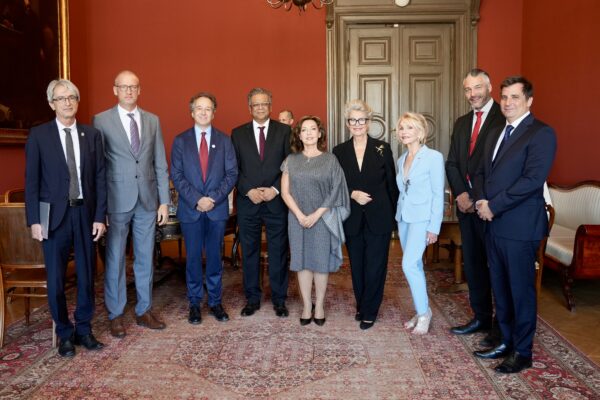
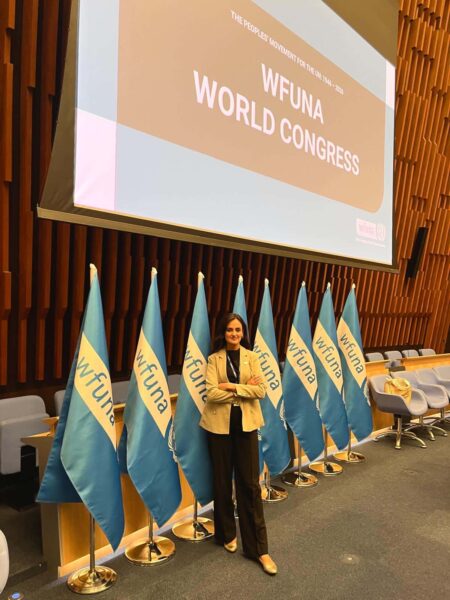
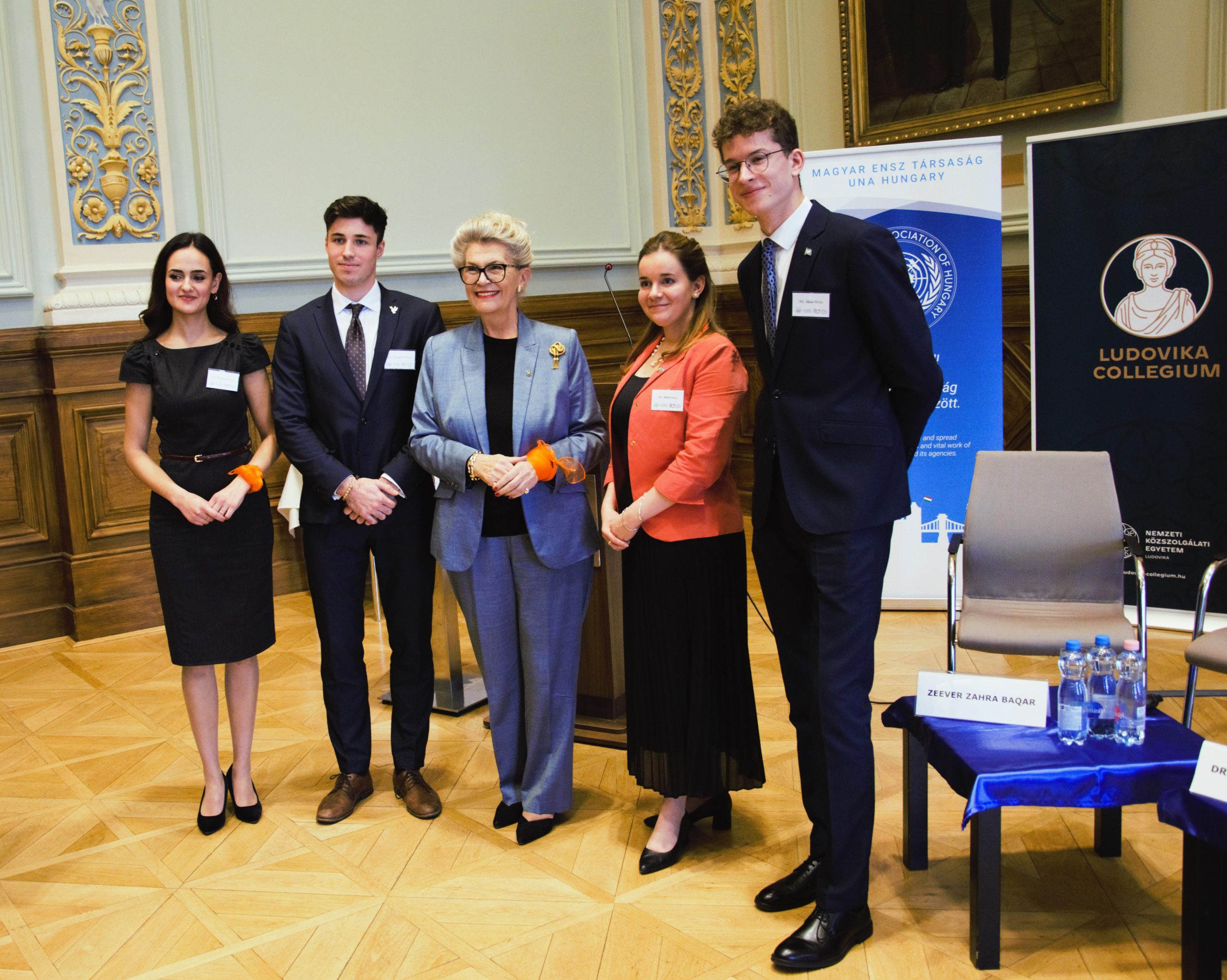
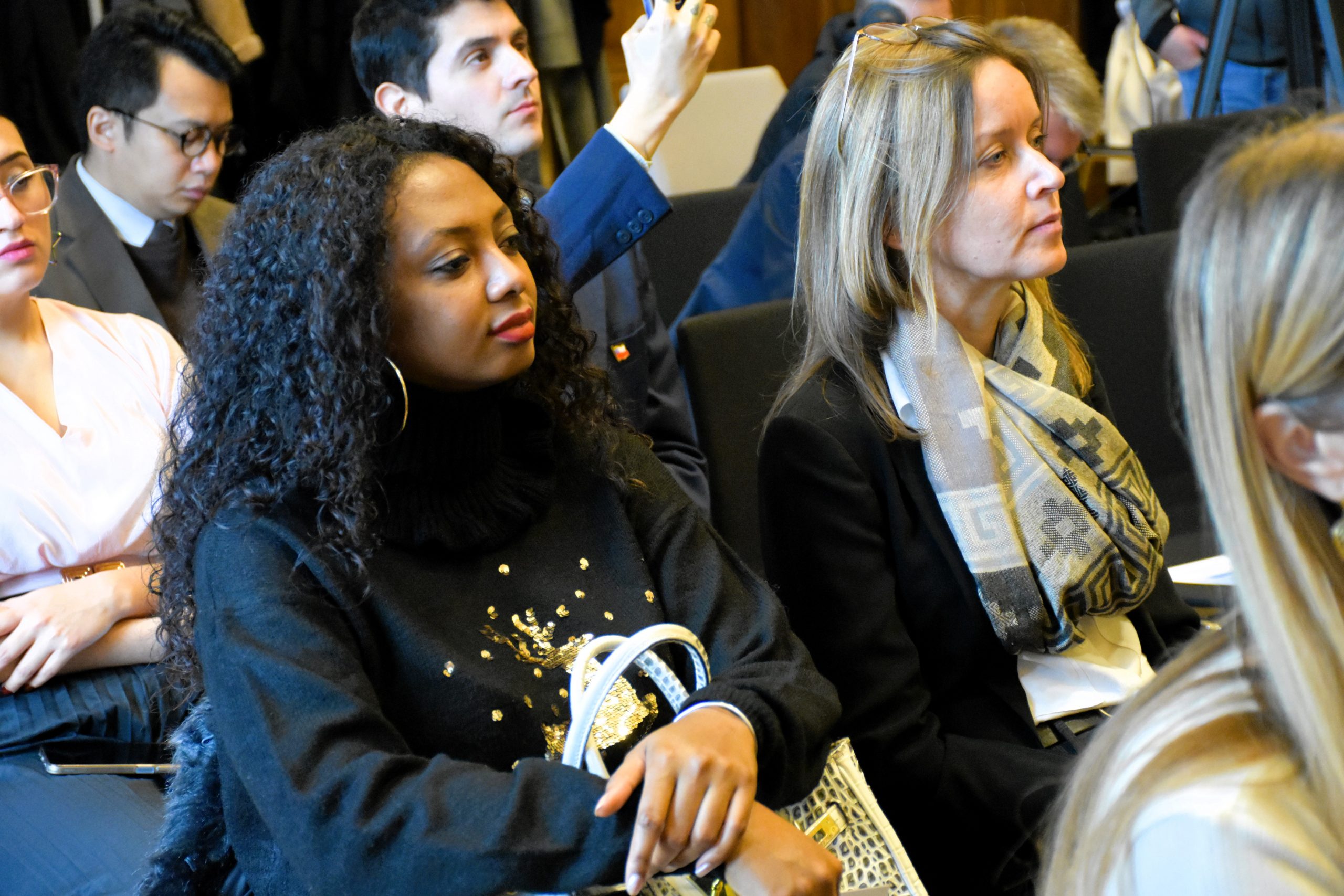
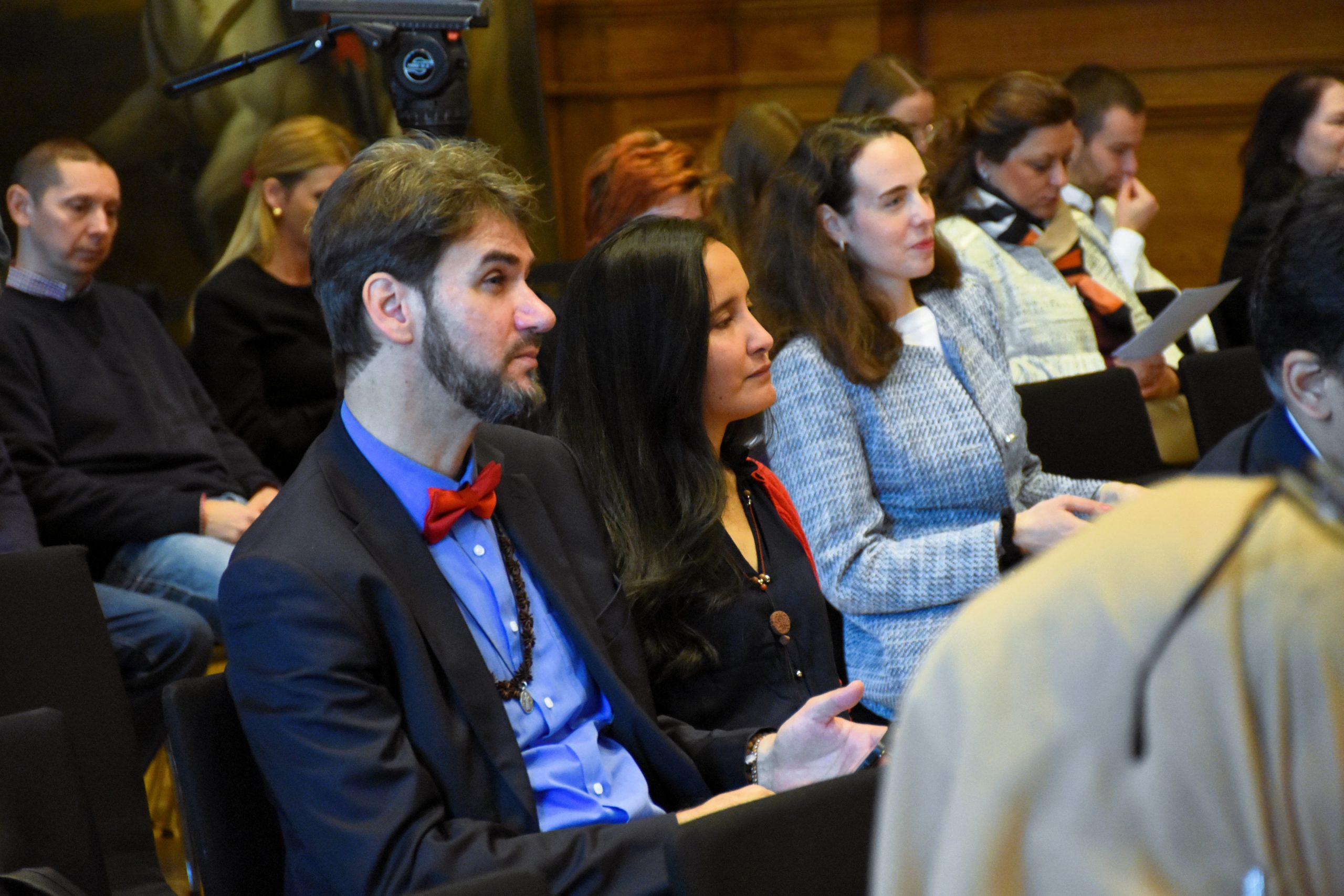
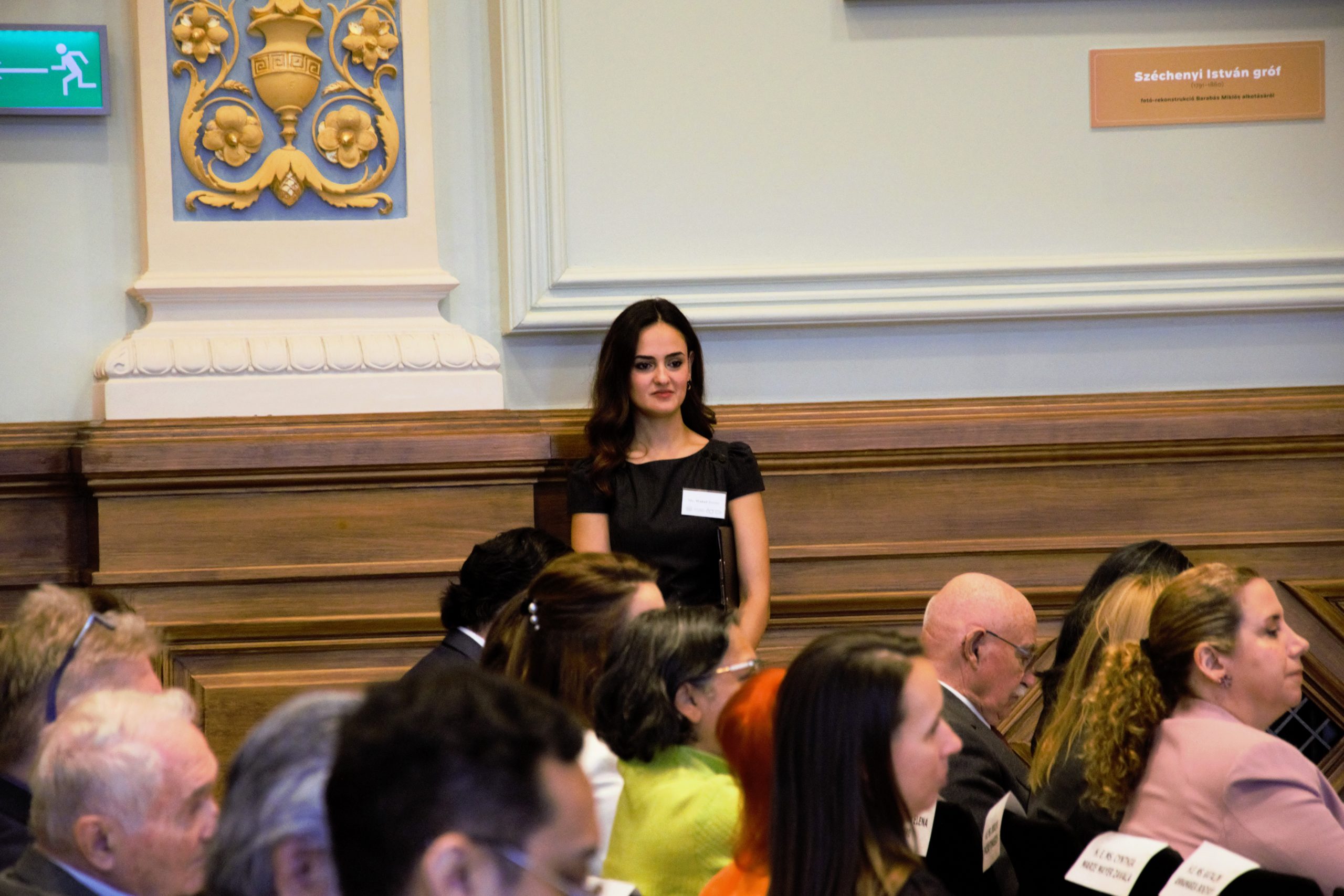
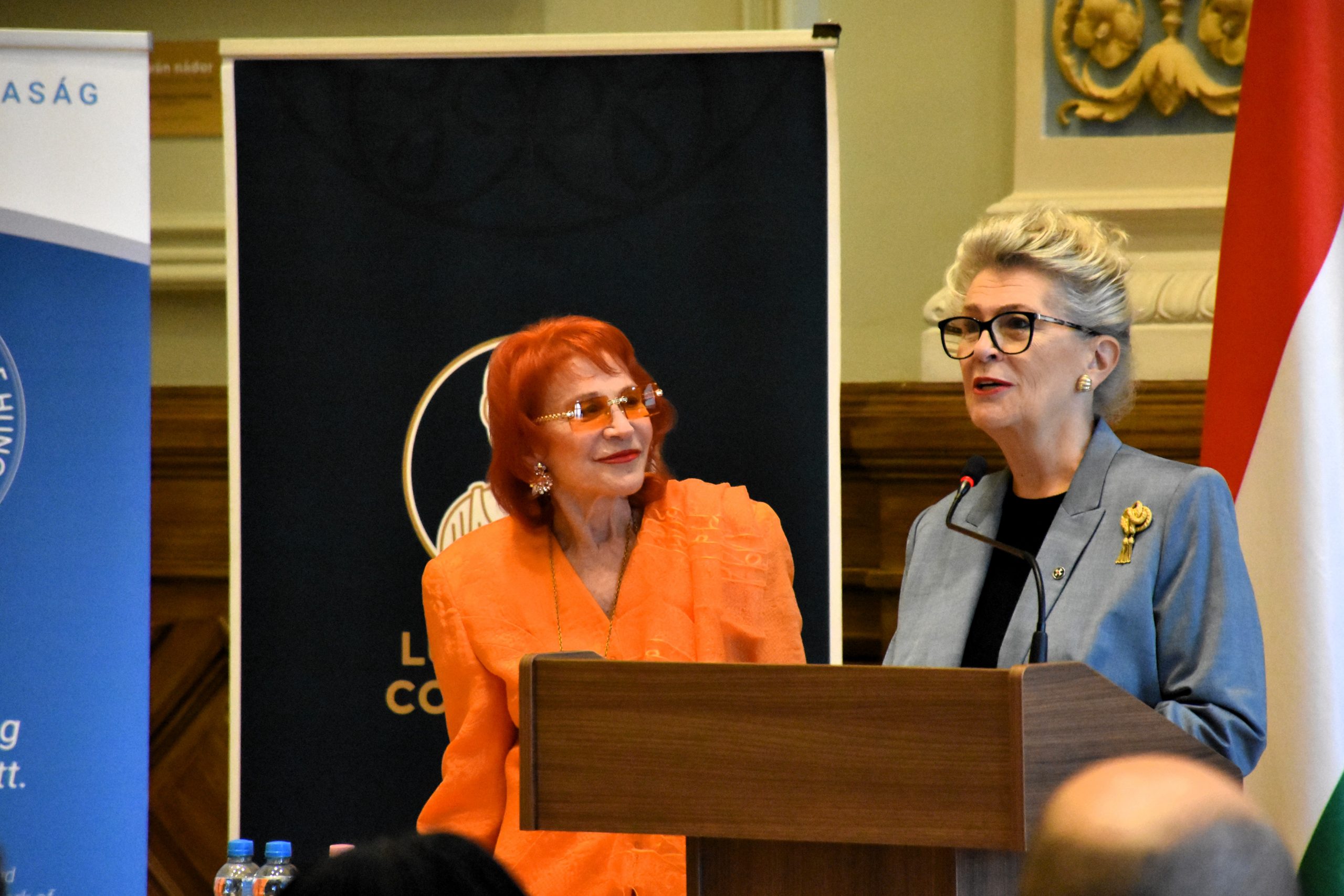
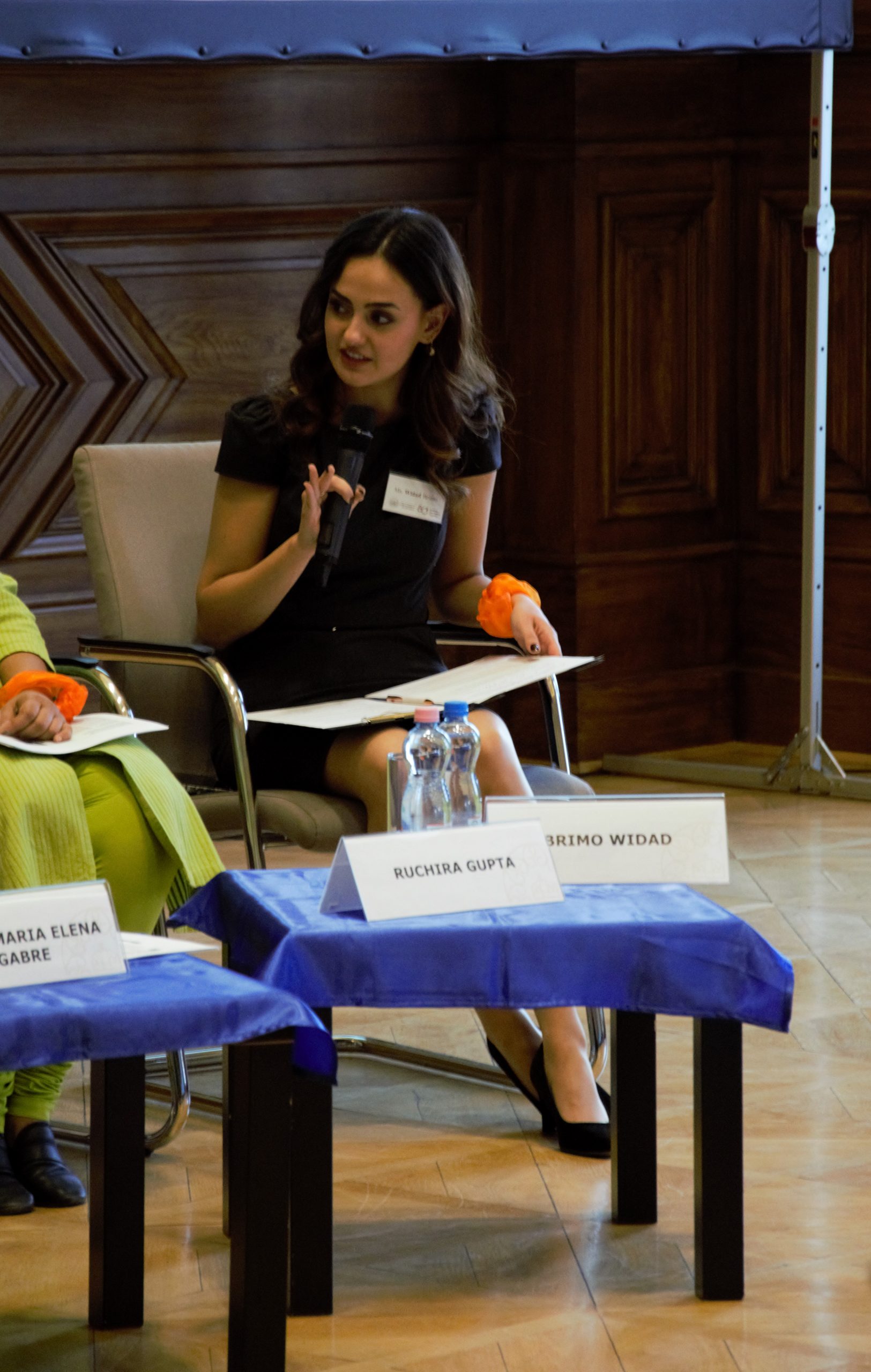
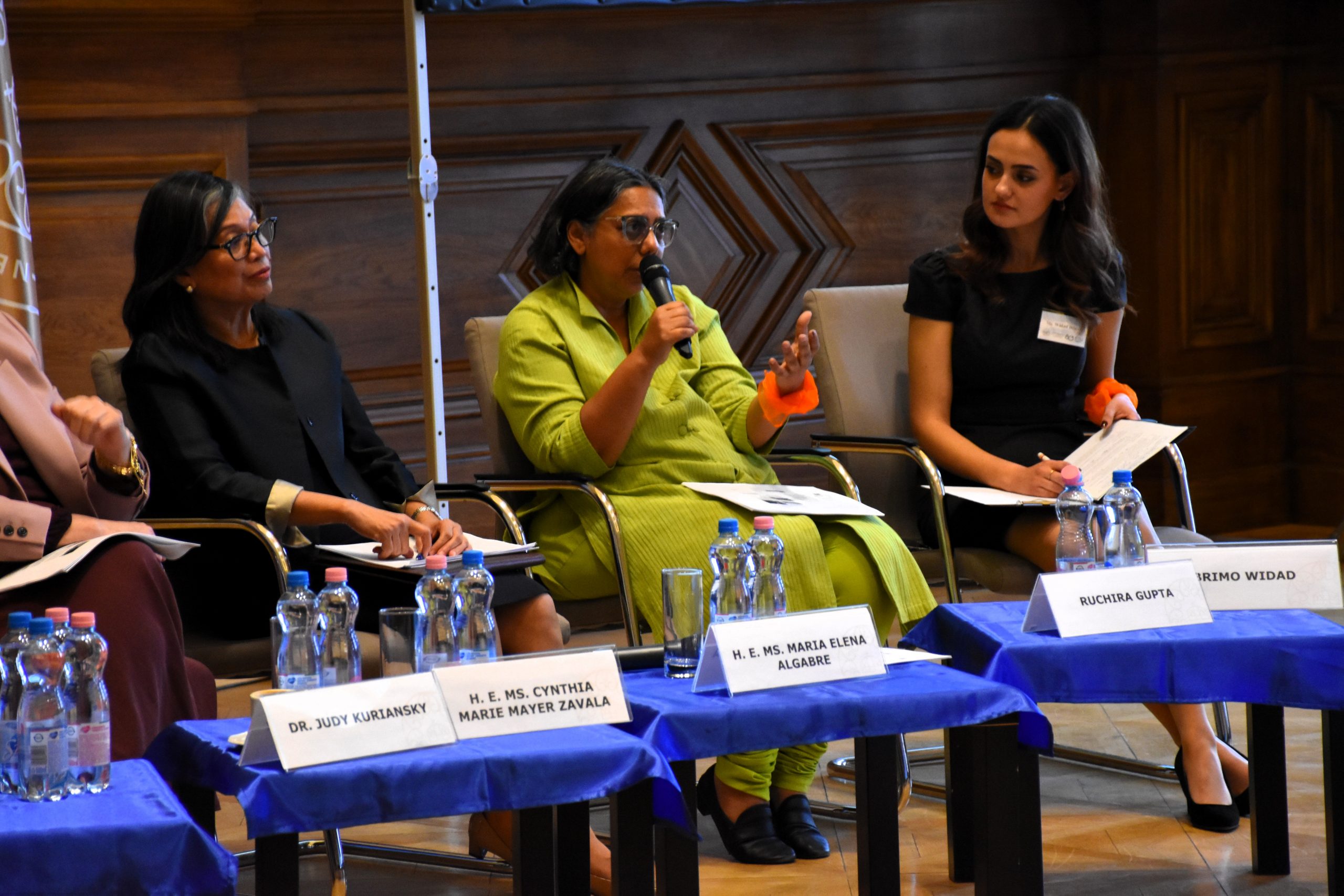
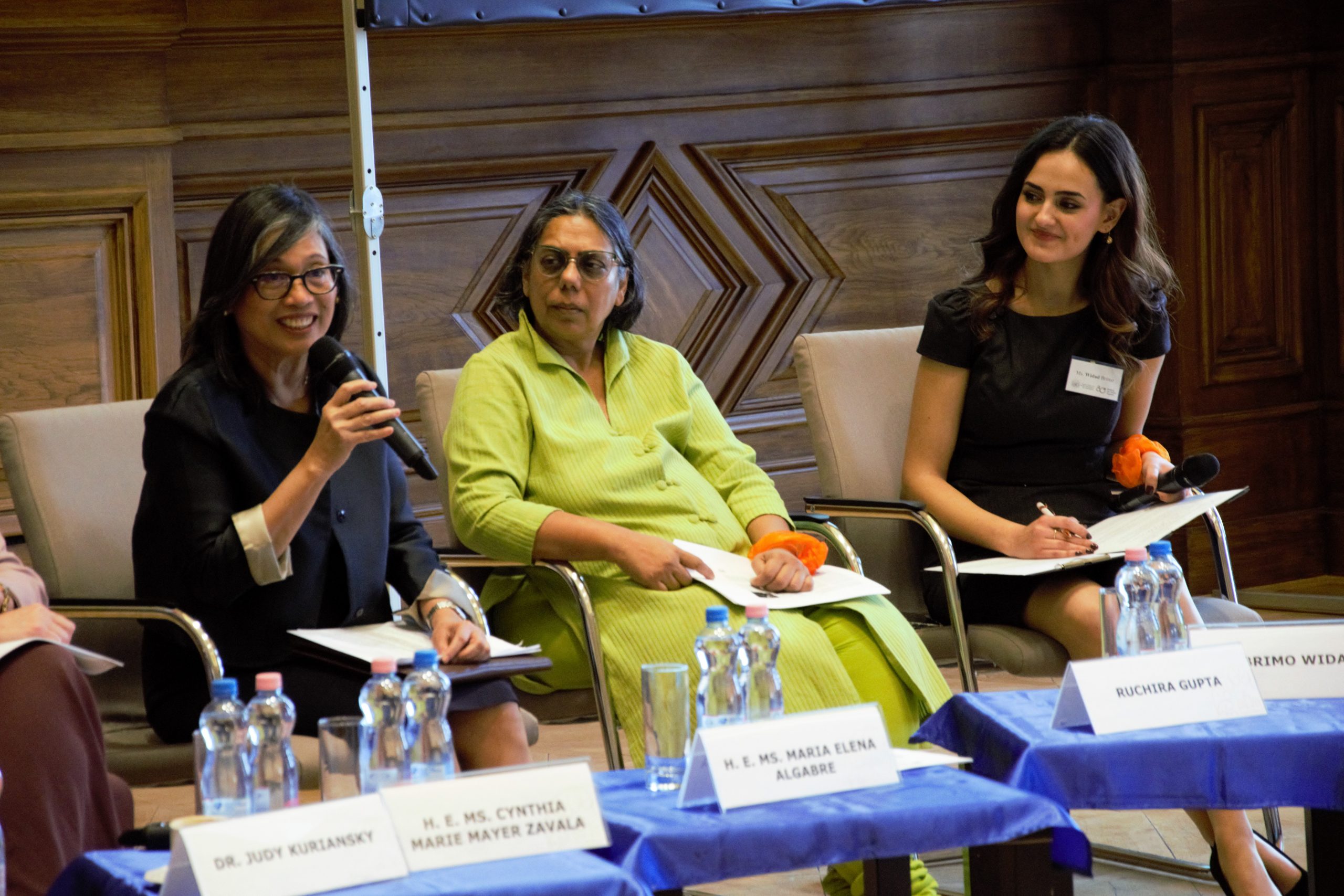
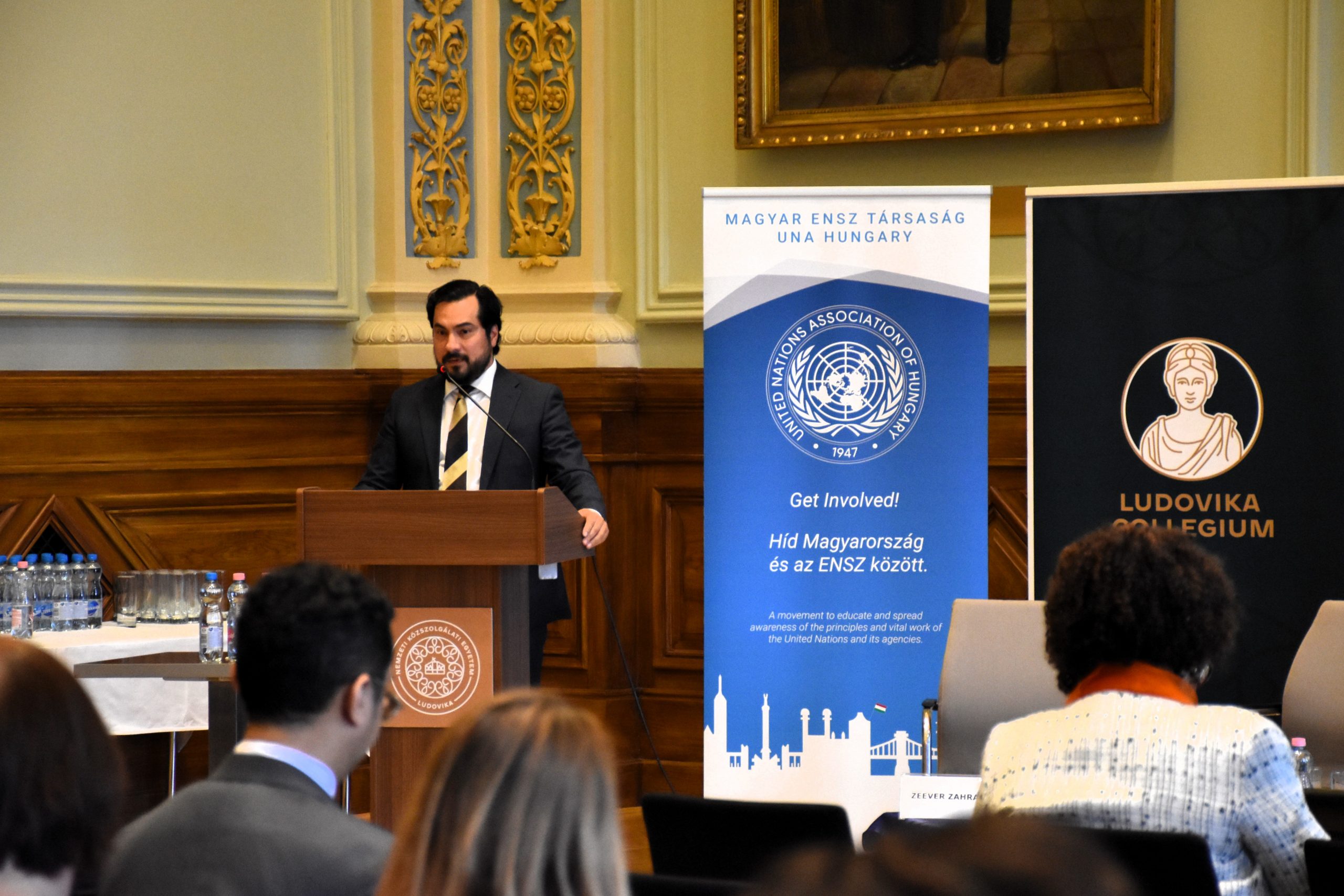
„ENSZ’80 – Peking’30: közösen építjük a jövőt” címmel szervezett közös nemzetközi konferenciát a Magyar ENSZ Társaság a Nemzeti Közszolgálati Egyetemmel (NKE) és a Women4Diplomacy International szervezettel együttműködésben december 8-án, a Ludovika Főépület Széchenyi Dísztermében. A Ludovika Collegium hallgatói közül többen is oroszlánrészt vállaltak a rendezvény megszervezésében és sikeres lebonyolításában, míg a korábbi félév ENSZ ’80 tematikus ívéhez kapcsolódóan – melynek kurzusvezetője Bogyay Katalin nagykövet asszony, a Magyar ENSZ Társaság elnöke, a Board tagja, továbbá az aktuális rendezvény életre hívója volt – három hallgatónk korábbi, témához kapcsolódó beszéde is kiválasztásra került, hogy azok végleges formájukban elhangozzanak az esemény záróakkordjaként. Büszkeséggel tölt el minket – a közönség vastapsából is nyilvánvalóvá vált –, hogy Seres Sára hallgatói elnök, Péterfi Csongor hallgatói alelnök, valamint Milán Ákos, korábbi elnökségi tag angol nyelven elhangzó beszéde egyöntetűen magas szakmai értékkel és szemléletformáló erővel bírt, melyek szöveges leiratait változtatás nélkül közöljük az alábbiakban az eseményről készített képgalériával együtt.
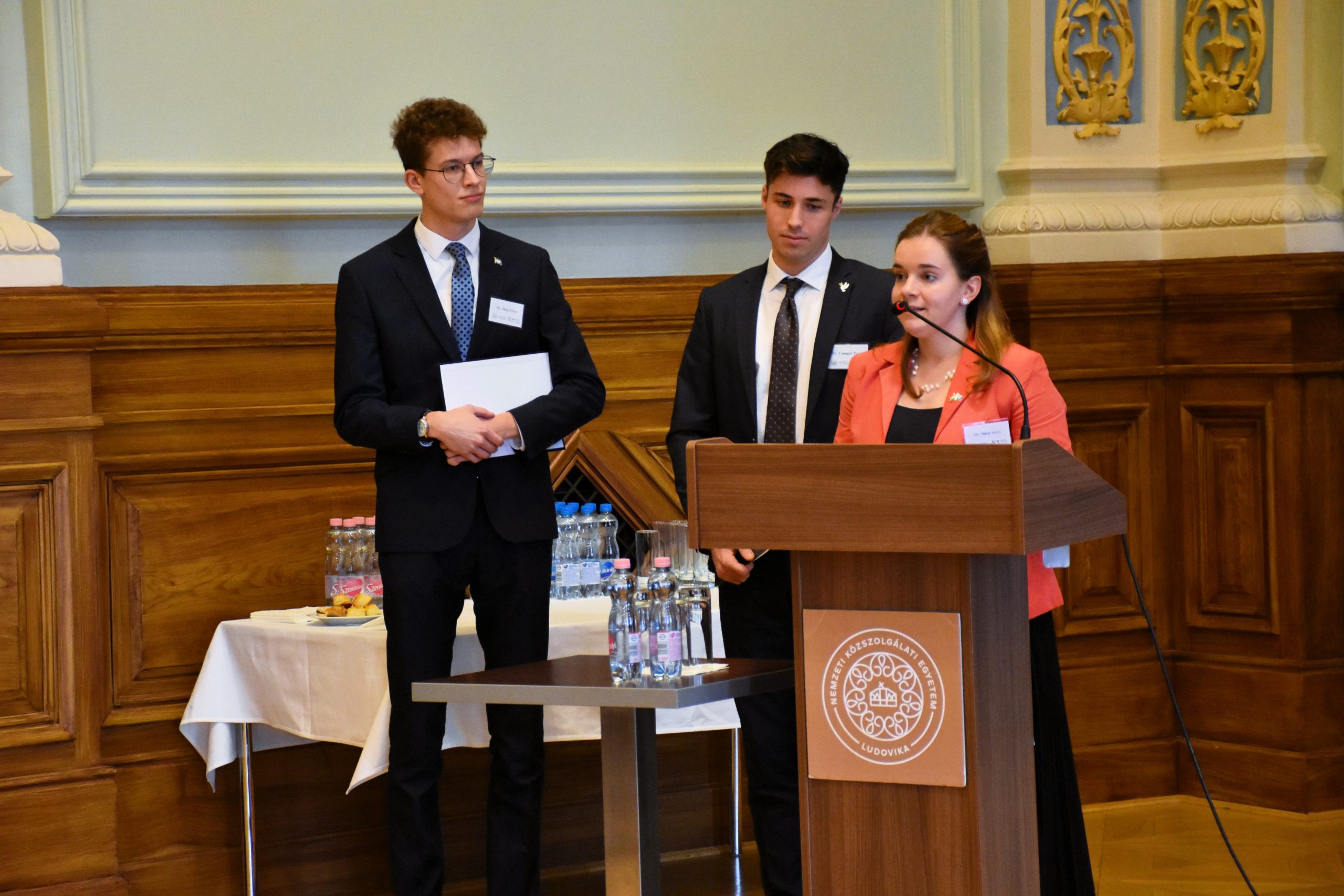
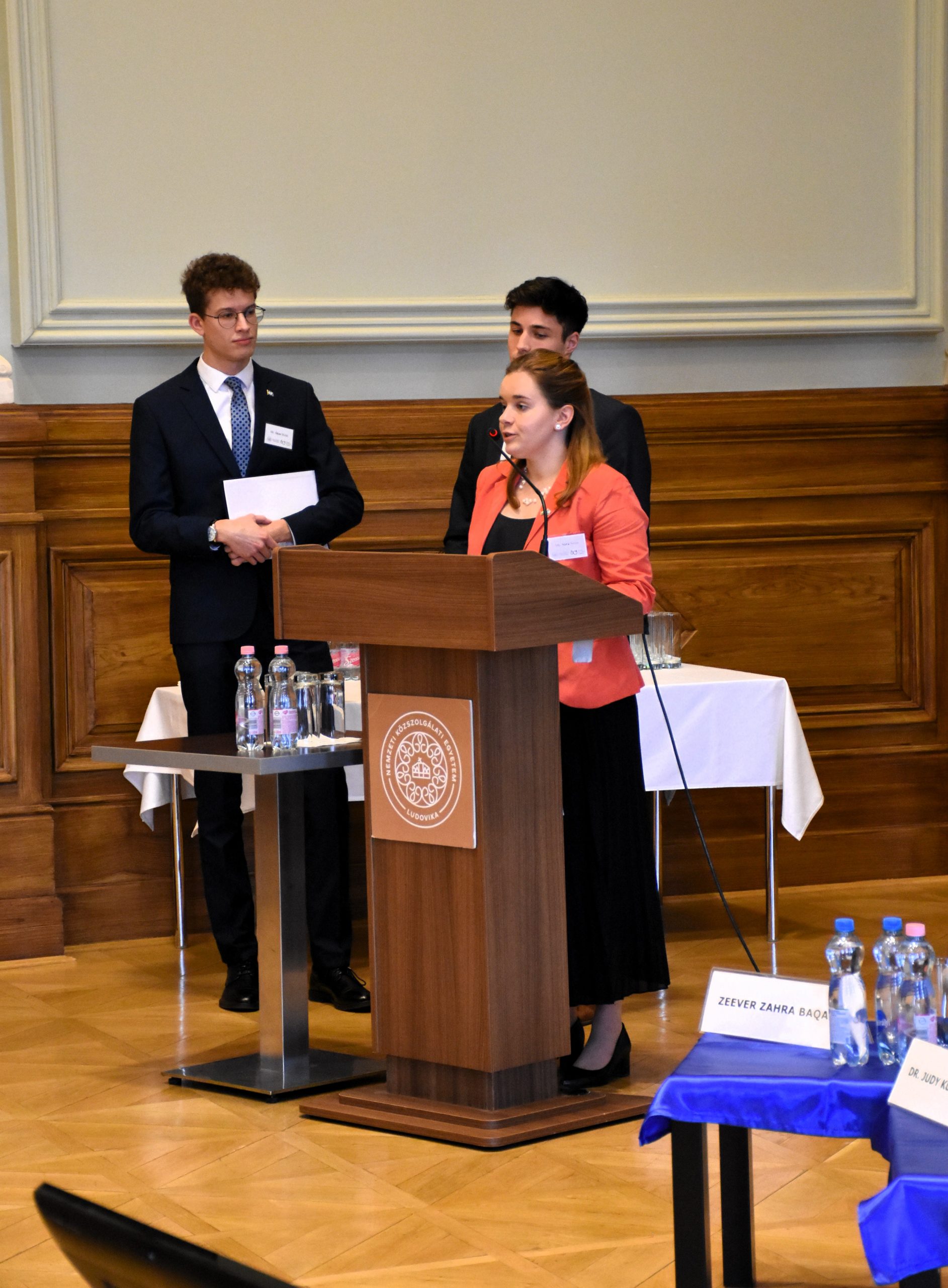
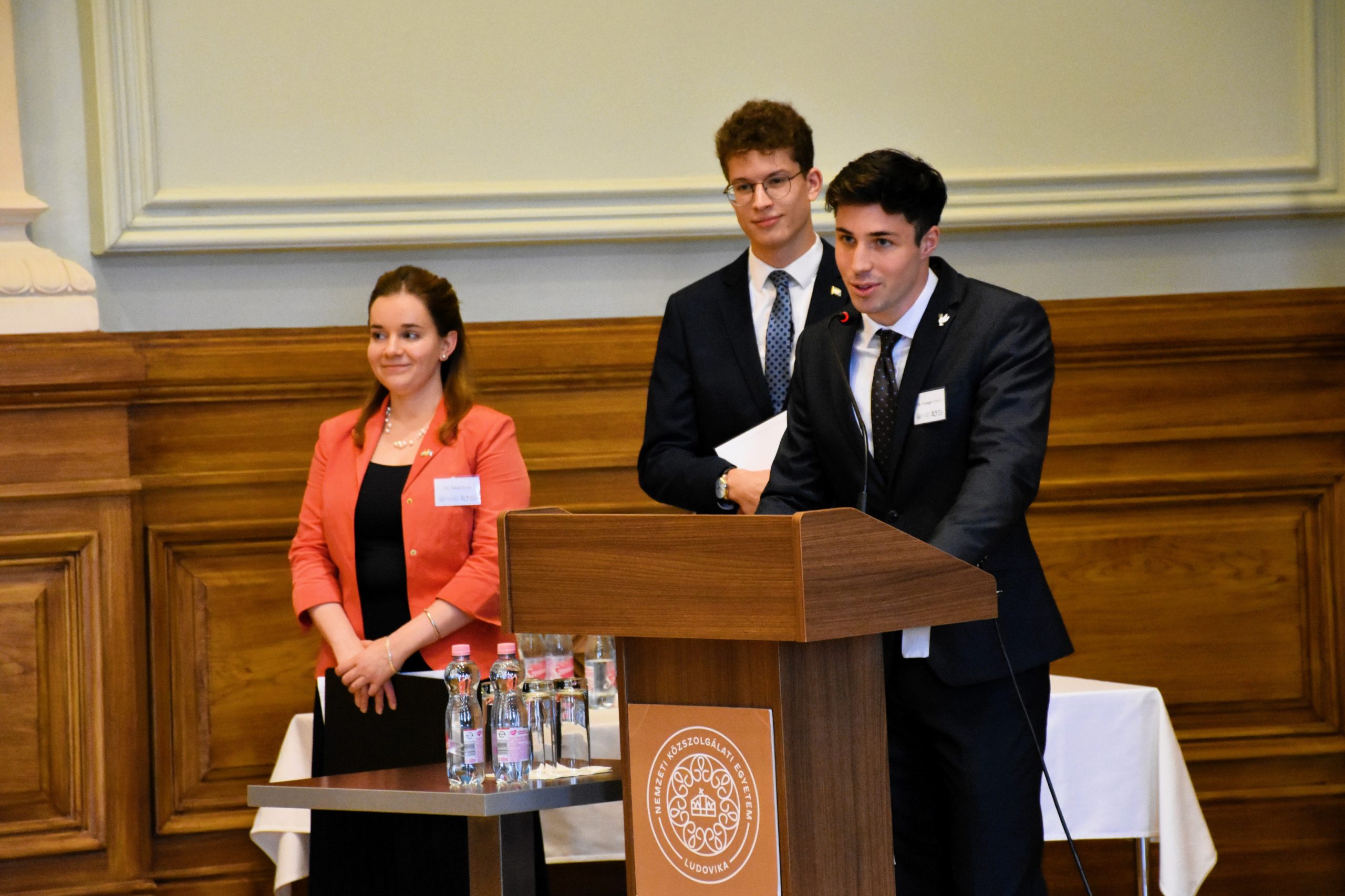
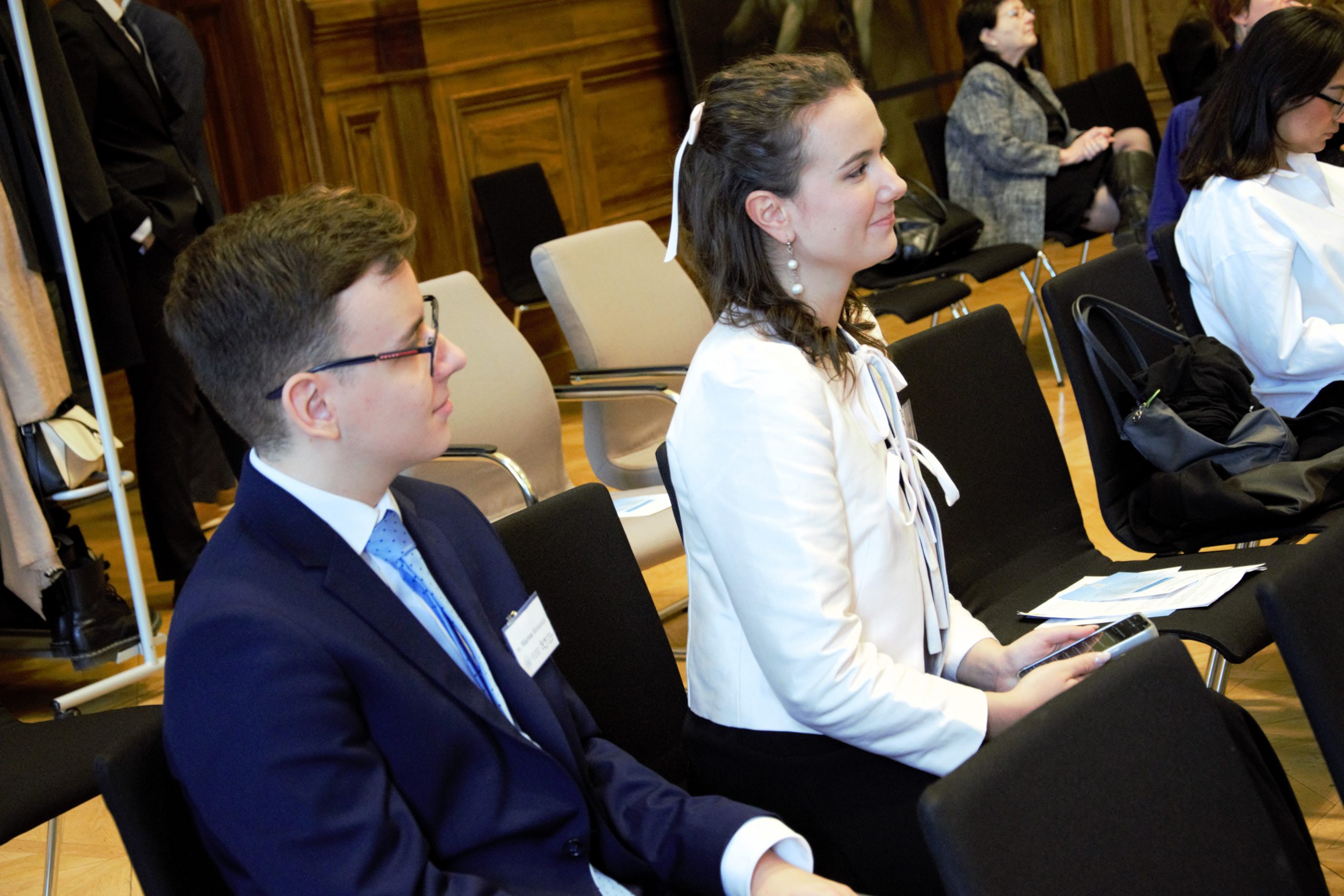
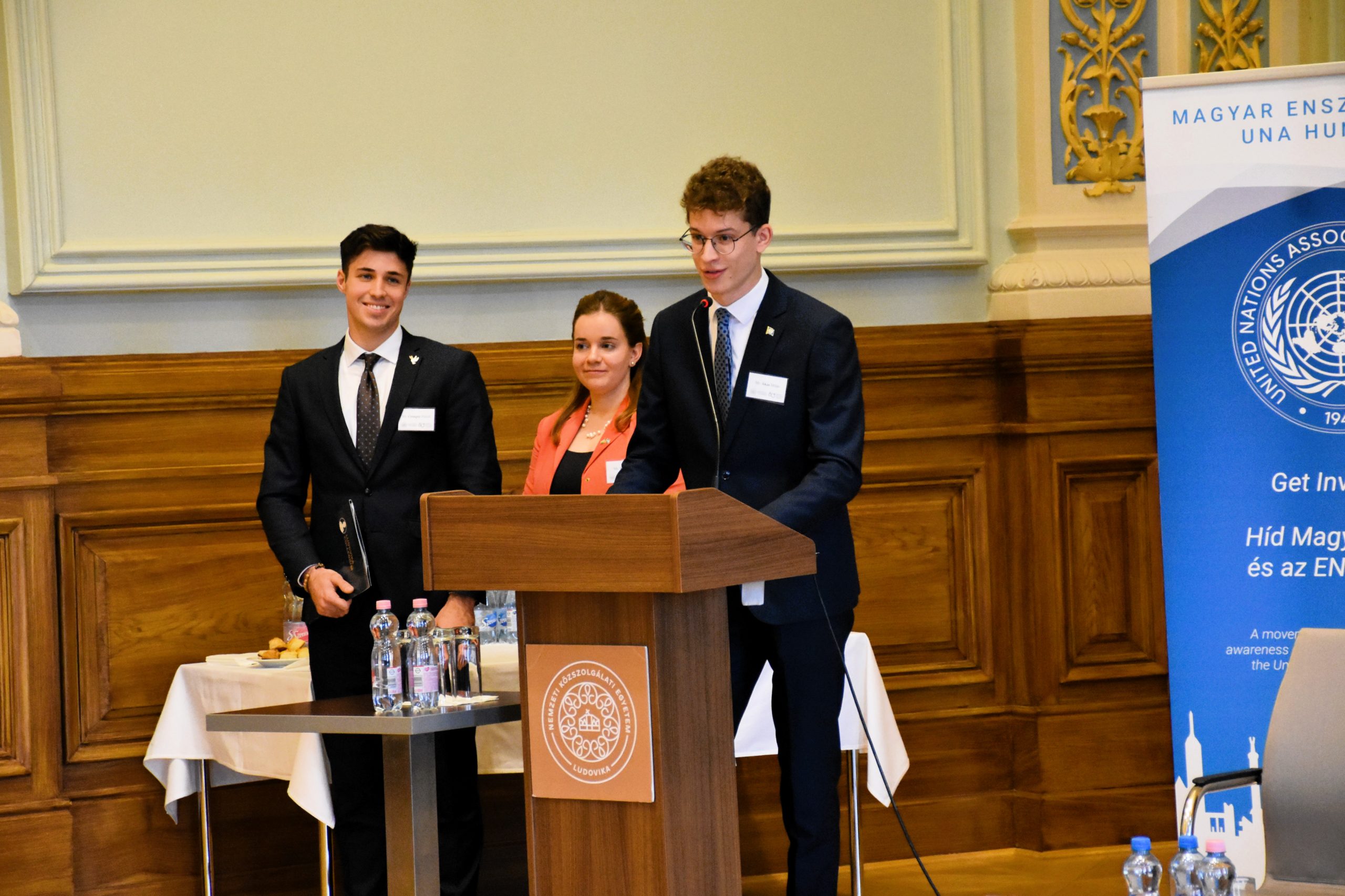
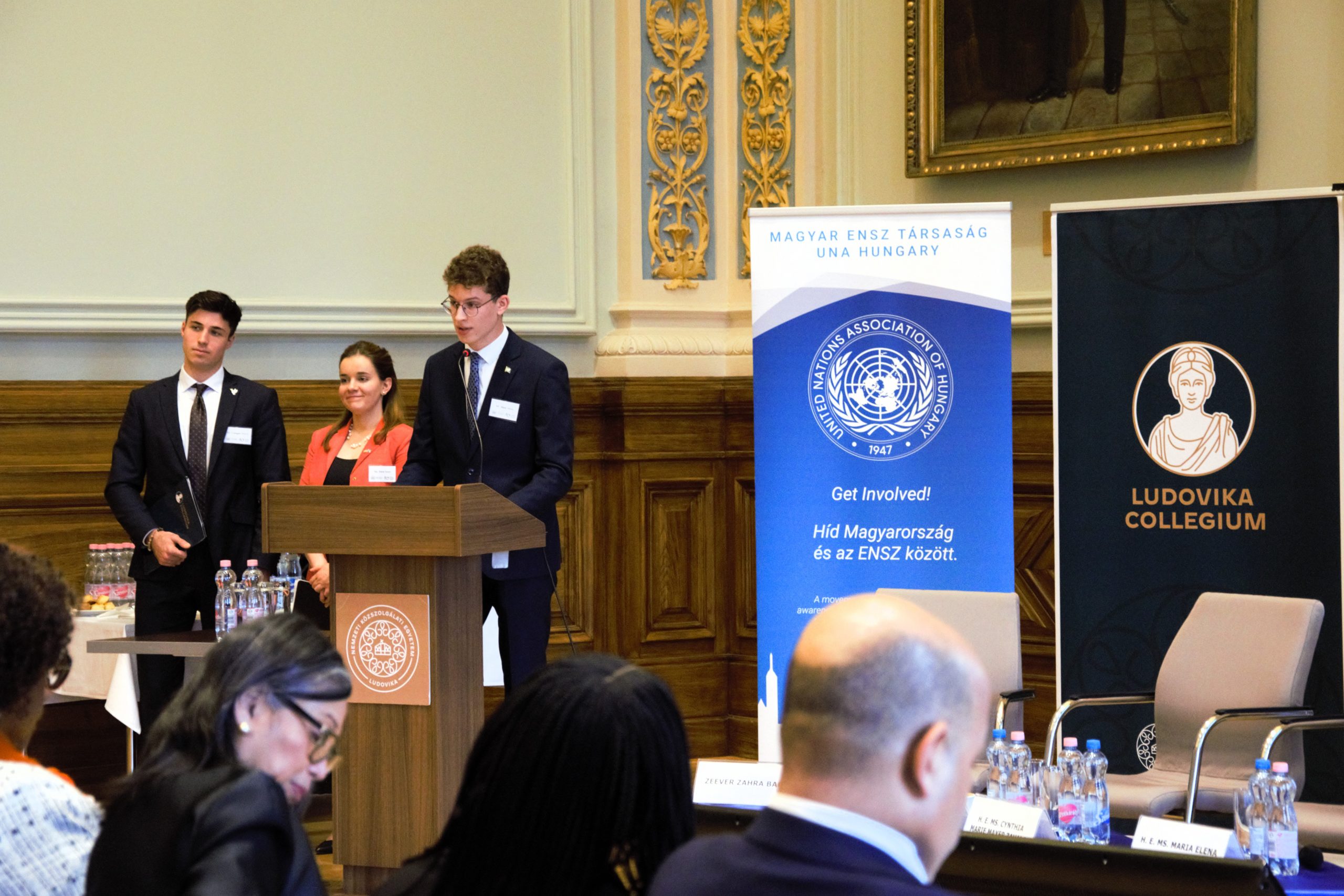
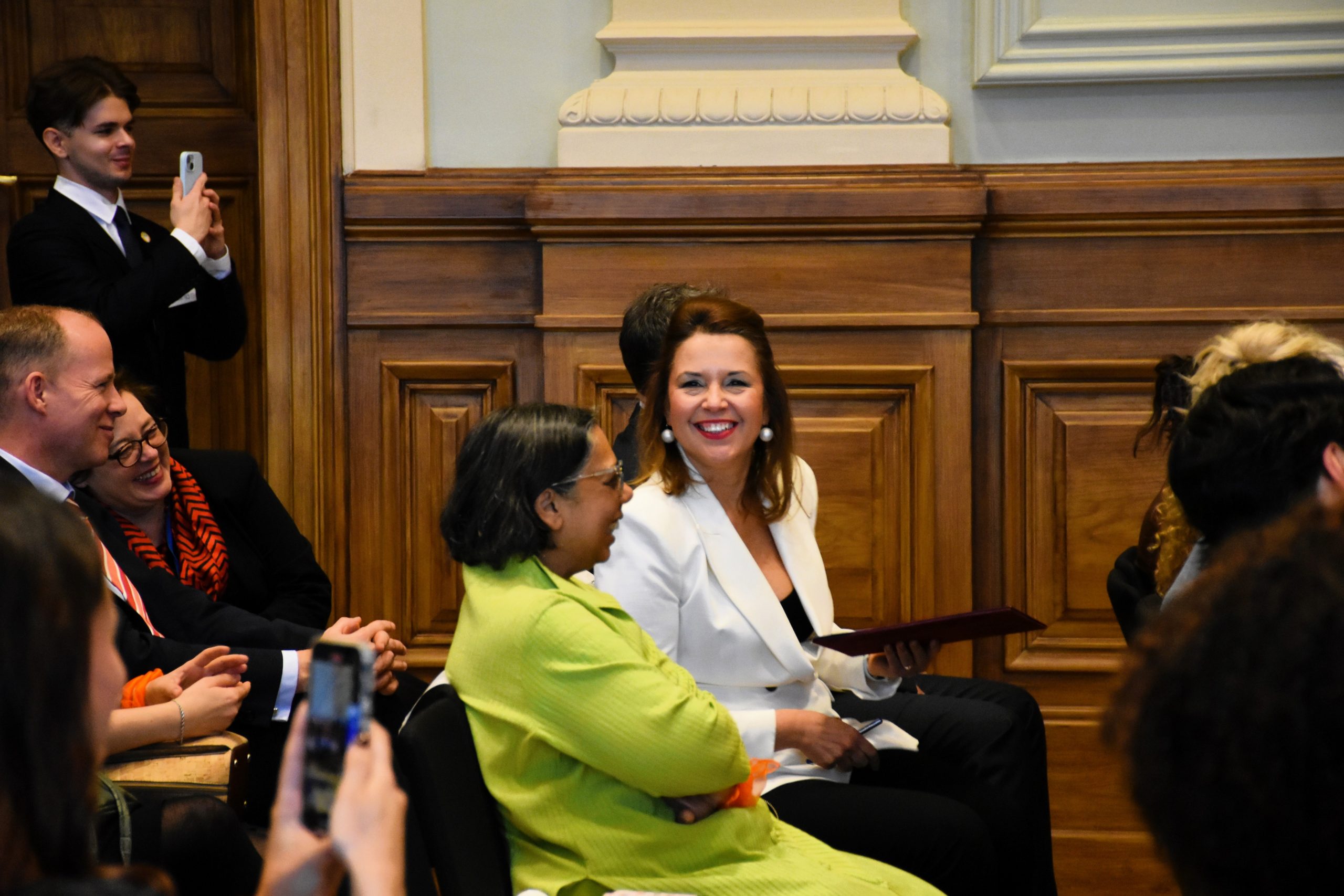
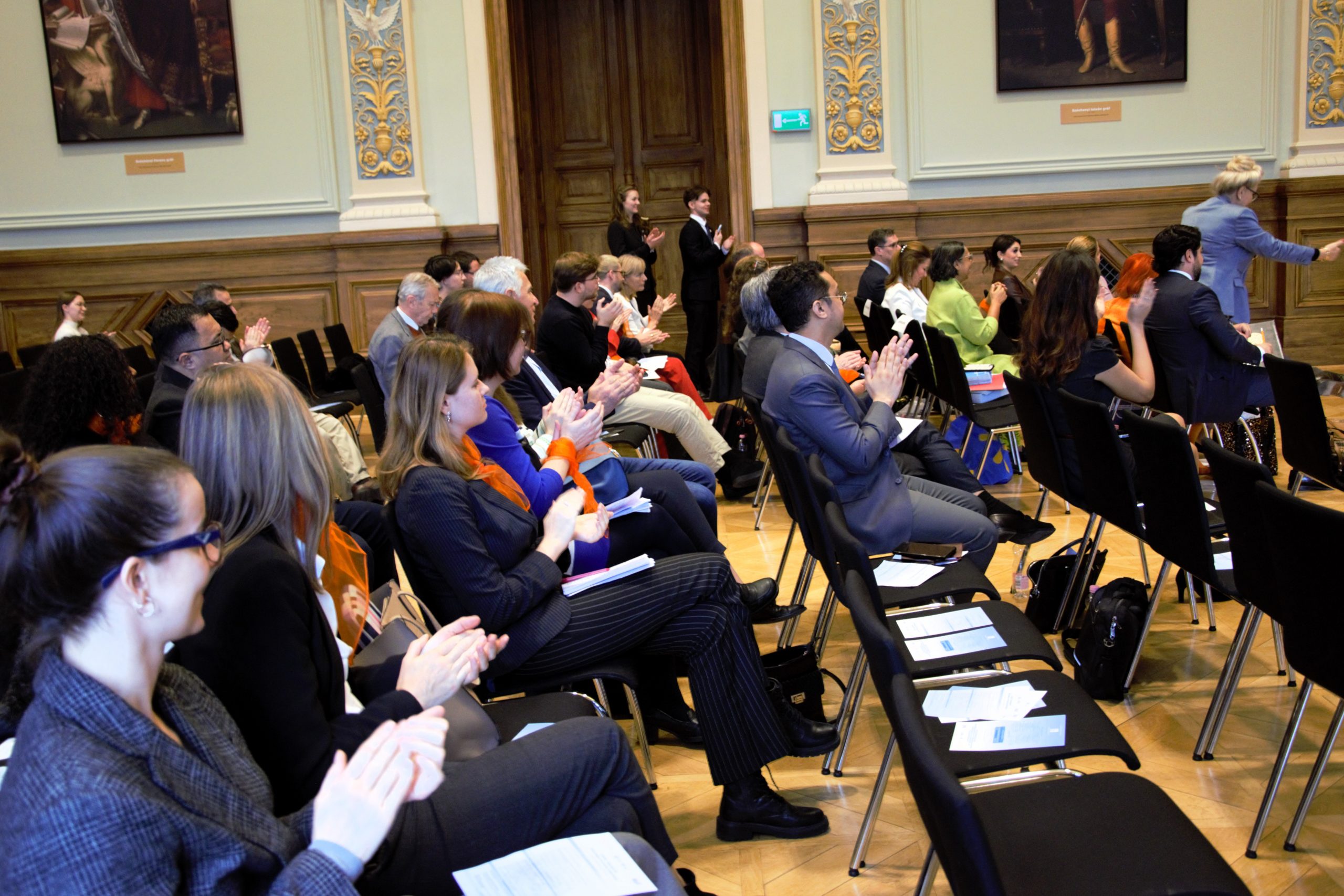
1. Speaker: President of the Ludovika Collegium Student Council, Sára Seres
Excellencies, Distinguished Guests, Ladies and Gentlemen,
When we ask “Why the UN?” in 2025, at the threshold of UN’80 and Beijing’30, we are also asking how silence has shaped our world and how the United Nations has worked, decade after decade, to break it.
Allow me to begin with a short moment of silence.
Five seconds of pause.
Silence can be gentle — but in global affairs, it can also be dangerous.
Last year, in Ambassador Katalin Bogyay’s UN80 course at the Ludovika Collegium, we learned that the UN was founded precisely because unchecked silence leads to suffering. Silence before conflicts. Silence around discrimination. Silence around injustice.
And nowhere has the cost of silence been higher than in the lives of women.
This year we mark Beijing+30 — three decades since the world adopted the most ambitious agenda for women’s rights: the Beijing Declaration and Platform for Action. It identified 12 critical areas—from eliminating violence to ensuring political participation and economic empowerment. It offered a blueprint for turning silence into global action.
So, “Why the UN?”
Because without it, the promises made to women and girls would remain whispers.
The Beijing Declaration reminds us that the future begins with the protection of the youngest among us. And as I reflect on this framework, another question arises — one that is both global and profoundly personal.
One day, I hope to become a mother, and like many members of my generation, I will also find myself asking: What dangers must the world still confront so that my future daughter can be safe?
Let me name only three — simple, yet devastatingly persistent challenges that challenges that persist in many parts of the world:
First: harmful cultural attitudes and practices.
Across many societies, girls are still undervalued, their potential diminished before it can unfold.
Second: unequal access to education.
Millions of girls receive fewer learning opportunities than boys — not because of ability, but because of circumstance.
Third: exploitation and violence.
Sexual violence, trafficking, and coercion continue to threaten countless girls whose only “fault” is being born into vulnerability.
These are not abstract challenges. They are the daily realities of many daughters, many futures.
Today, as a young woman, I am deeply conscious that my voice is possible only because women before me refused to remain silent. Diplomats, activists, scholars — some of them here in this room — who made the UN a place where gender equality is not merely an aspiration, but an expectation.
My generation inherits their work.
And with it, their responsibility.
This is why global cooperation matters: because without it, too many stories remain unheard, and silence continues to carry a cost.
Why the UN?
Because it transforms silence into solidarity — and solidarity into change.
Thank you for your kind attention.
2. Speaker: Vice-President of the Ludovika Collegium Student Council, Csongor Péterfi
Excellencies, Ladies and Gentlemen,
My colleague, Sári, began with silence. Let me continue with the first voice any of us ever hear.
In Hungarian, we have a beautiful word: “anyanyelv,” meaning mother tongue.
It reminds us that language is first received, not chosen — given to us through care, protection, and the quiet strength of a woman who teaches us how to belong.
From this word comes another: “anyaország,” motherland — a place that shapes us before we even understand citizenship.
And since we are speaking of mothers, allow me to bring in lines from one of Hungary’s greatest poets, Attila József, as we mark the 120th anniversary of his birth this year. In his poem Mama, he wrote:
„Nem nyafognék, de most már késő,
most látom, milyen óriás ő —
szürke haja lebben az égen,
kékítőt old az ég vizében.”
In English:
“It’s too late now to still my bother;
what a giant was my mother —
over the sky her grey hair flutters,
her bluing tints the heaven’s waters.” [Osváth Zsuzsanna, Frederick Turner]
These lines capture what many of us feel: our lives stand on the shoulders of women whose strength was often quiet, whose contributions were often invisible, yet whose impact was immeasurable.
And mothers today face challenges that no poem can soften:
Invisible care work that goes unrecognized.
Maternal health risks where lack of access leads to preventable deaths.
Work–family imbalance without adequate childcare support.
Workplace discrimination linked to pregnancy or motherhood.
This is why the Beijing framework still matters — it turns admiration for mothers into responsibility towards women.
Why the UN?
Because equality is not a woman’s issue; it is a human one.
And my generation — especially young men — must learn not only to speak, but to listen, and to amplify voices too often pushed aside.
Let me pause for a moment.
A brief silence.
We continue the thread begun by silence, but we refuse to let silence be the final word.
Thank you.
3. Speaker: Former Vice-President of the Ludovika Collegium Student Council, Ákos Péter Milán
Excellencies, Distinguished Delegates,
We have spoken about silence. We have spoken about women, who have a special place in our hearts. About mothers, about their voices that shape us. And about daughters, where we are the voices that shape them.
Let me add a third, once-in-a-lifetime connection. Let me now speak about wives …. about my future wife.
I would like to mention two things that definitely hinder the two of us from being mutually content with ourselves and the world around us.
First, on a personal note: I must get used to doing the dishes every night and in general a great deal of patience is required with me.
Second – and more importantly: structural barriers faced by women.
As we step into the era of UN’80 and reflect on Beijing+30, we must summarize the results of the past three decades. We must be proud of ourselves and of those who fought for these changes, because we have made progress in many significant women’s rights issues.
Today – right here, right now – we stand among mentors, ambassadors, UN experts, and scholars who opened pathways for us. We honour that legacy – and we accept the responsibility it places on our generation.
However, we must use this pride to correct the shortcomings that still exist. Even today, many women – many daughters, wives, mothers – face barriers that limit not only their potential, but society’s progress. These are not merely “women’s issues”. The Beijing Declaration taught us that women’s rights are not an accessory to development; they are its foundation.
Allow me to pause for one second.
A single moment of silence. It represents the gap between what we promise and what we deliver. Let’s examine this gap!
80% of countries have national action plans and 90% have laws to end violence against women and girls, but most do not provide nearly enough funding, enforcement, or protection. Let us hope that the necessary resources will not just be promised, but delivered.
Social protection programmes have grown in 80% of countries, but disparities remain among the most marginalized women. Let us hope that these disparities vanish not by chance, but by design.
70% of countries are boosting science, technology, engineering, and mathematics among women and girls, but are still slow in translating education gains into better jobs. Let us hope that we will build the bridge that carries talent from the classroom to the boardroom.
And we could continue the list, because: economic dependence that restricts personal freedom still exists. Child marriage and early pregnancy that steal childhood, education, and health still exist. Underrepresentation in leadership and unpaid household work still exist. Let us hope that we remove these injustices once and for all.
We should not forget that hope is not a strategy, but it is a precondition to action. To actions that may solve these issues, because these are the very structural challenges that determine whether societies thrive or stagnate. We must remind ourselves again and again:
The UN was not designed to solve everything instantly. The UN exists to close the gap between our promises and what we deliver. It was designed to ensure that no country – and no person: woman or man – faces these challenges alone.
So when people ask: why the UN? I will answer.
The UN is where generations speak to each other.
Where the wisdom of diplomats meets the curiosity of students.
Where institutions shaped by history embrace the ideas of youth.
So: why the UN?
Because the UN enables the quiet work of generations to become visible.
Because it transforms values into commitments, and then commitments into norms.
Because it gives us — not only as Hungarians, not only as Europeans, but as young global citizens — a place to contribute.
So: why the UN?
Because of our daughters.
Because of our wives, partners for a lifetime.
Because of our mothers.
Let me end with one collective reflection:
“We stand here today as one voice of a new generation – grateful for the past, conscious of the present, and committed to shaping our common future.”
Thank you Ambassador Bogyay for this opportunity!
Thank you for your attention!

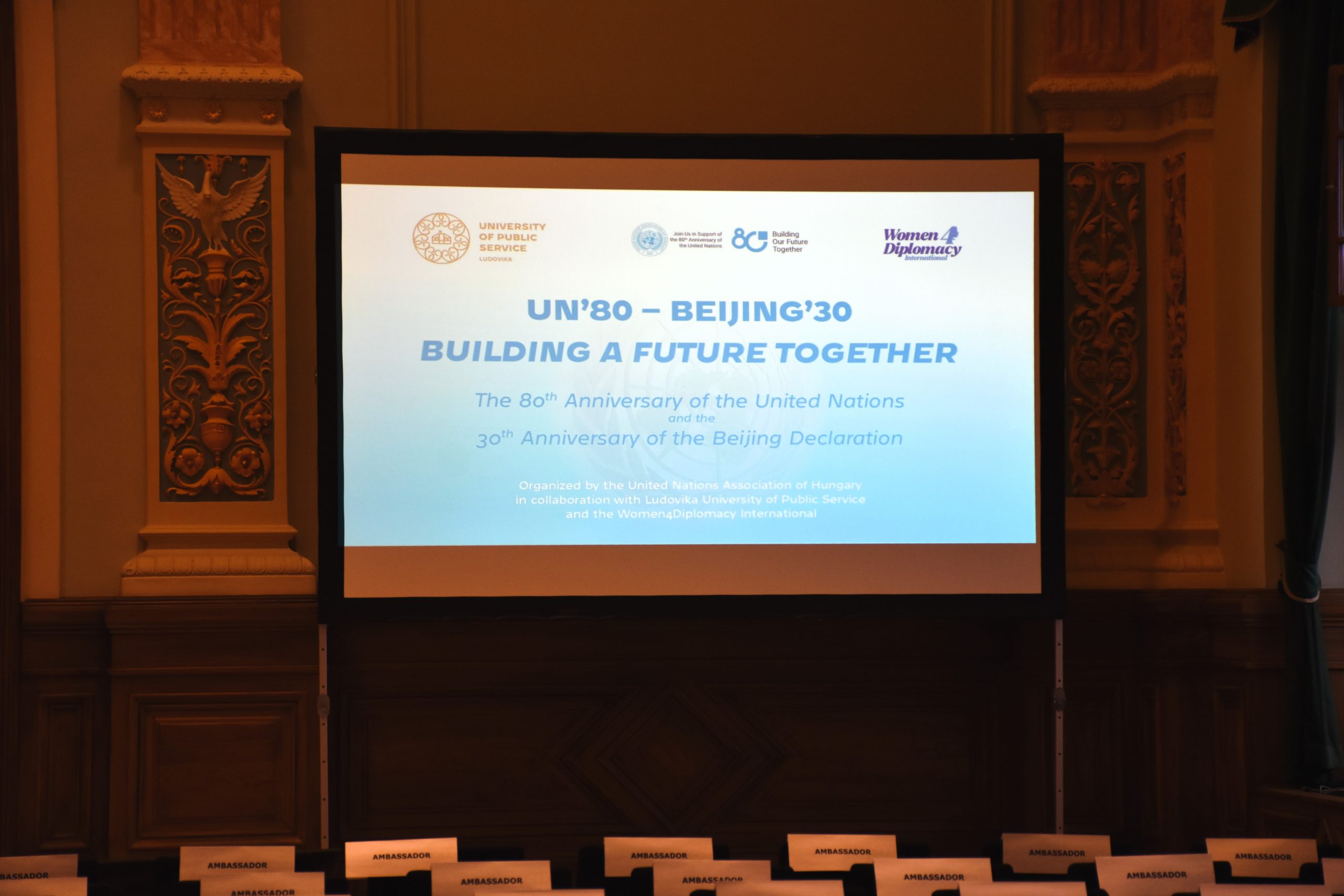
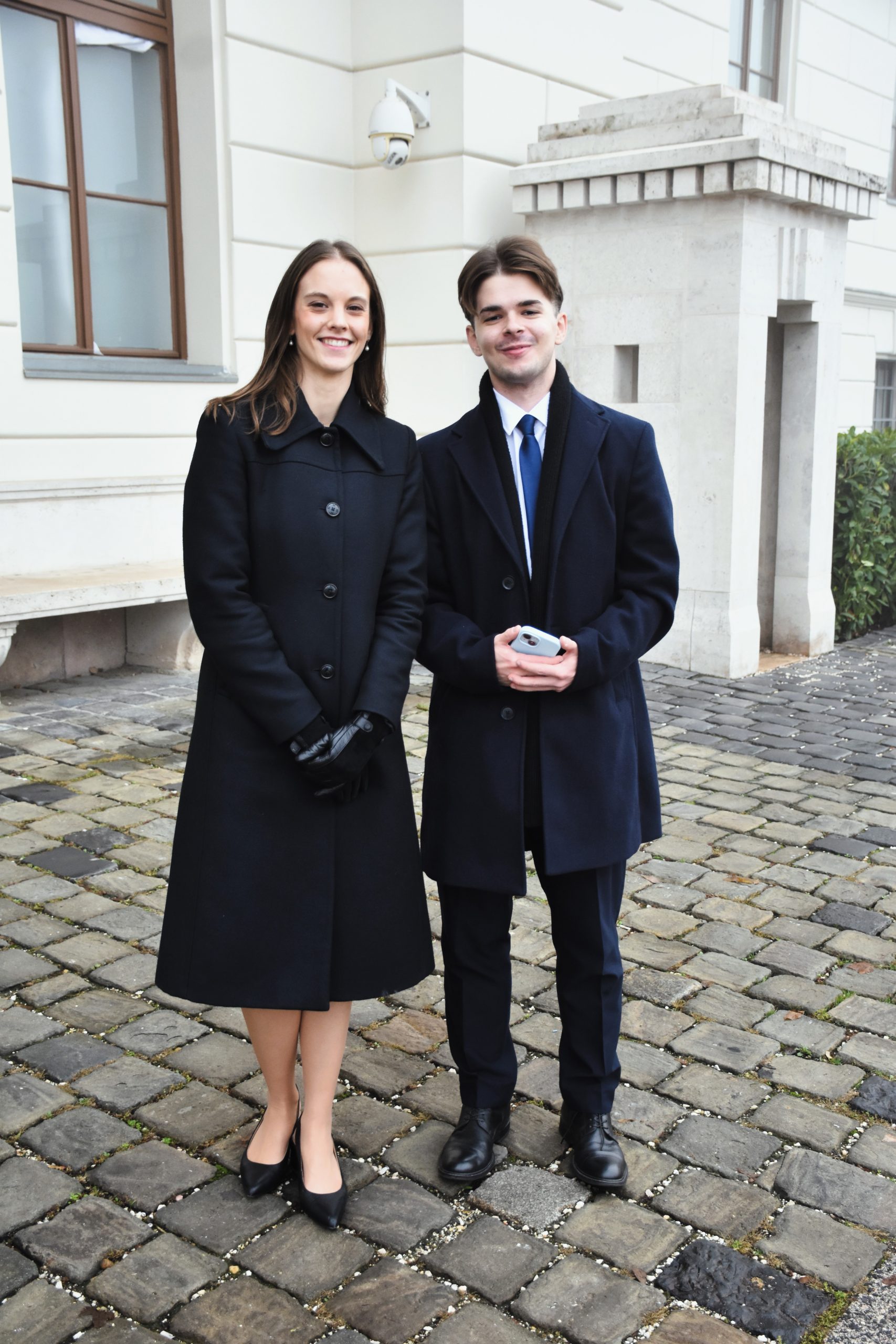
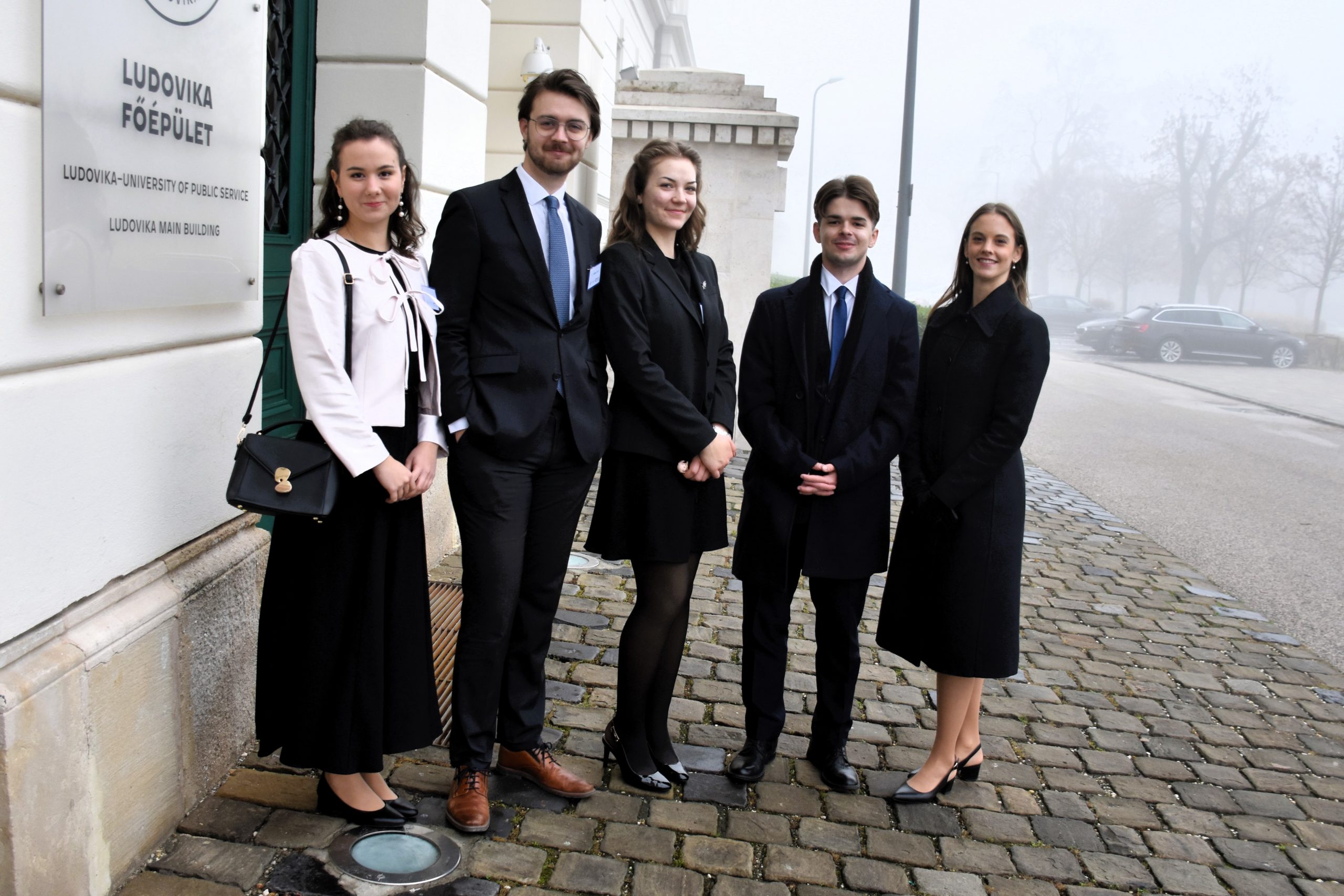
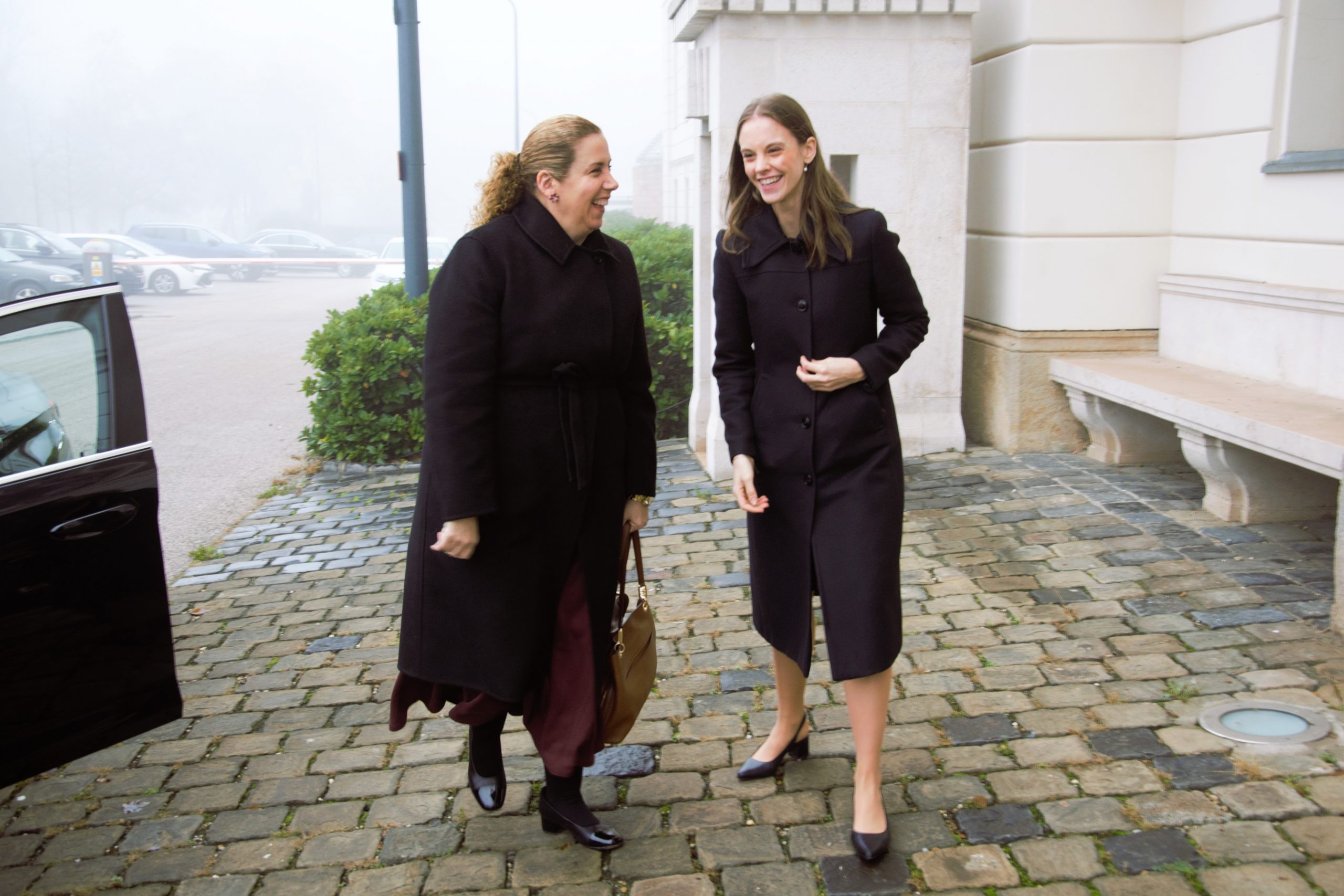
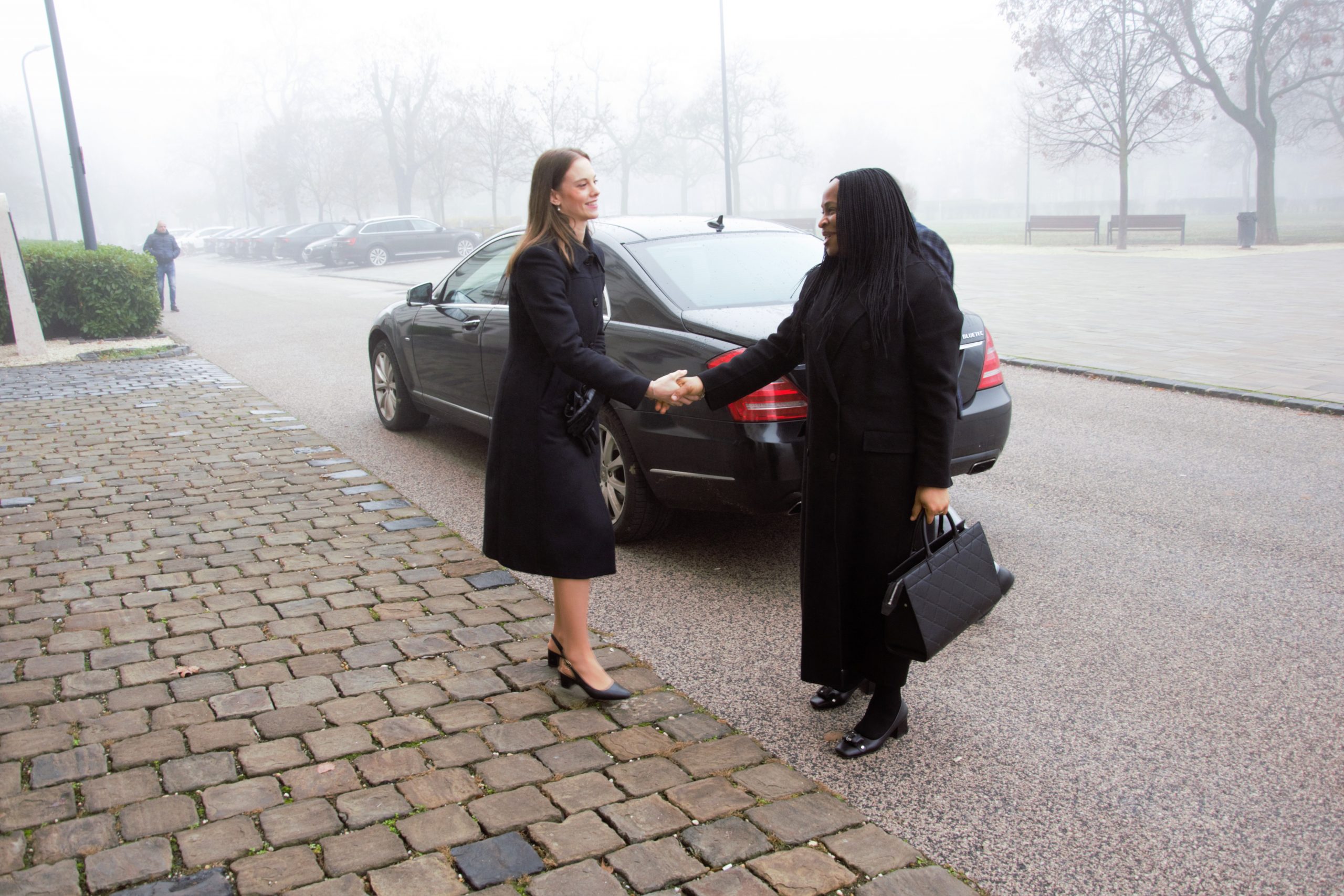
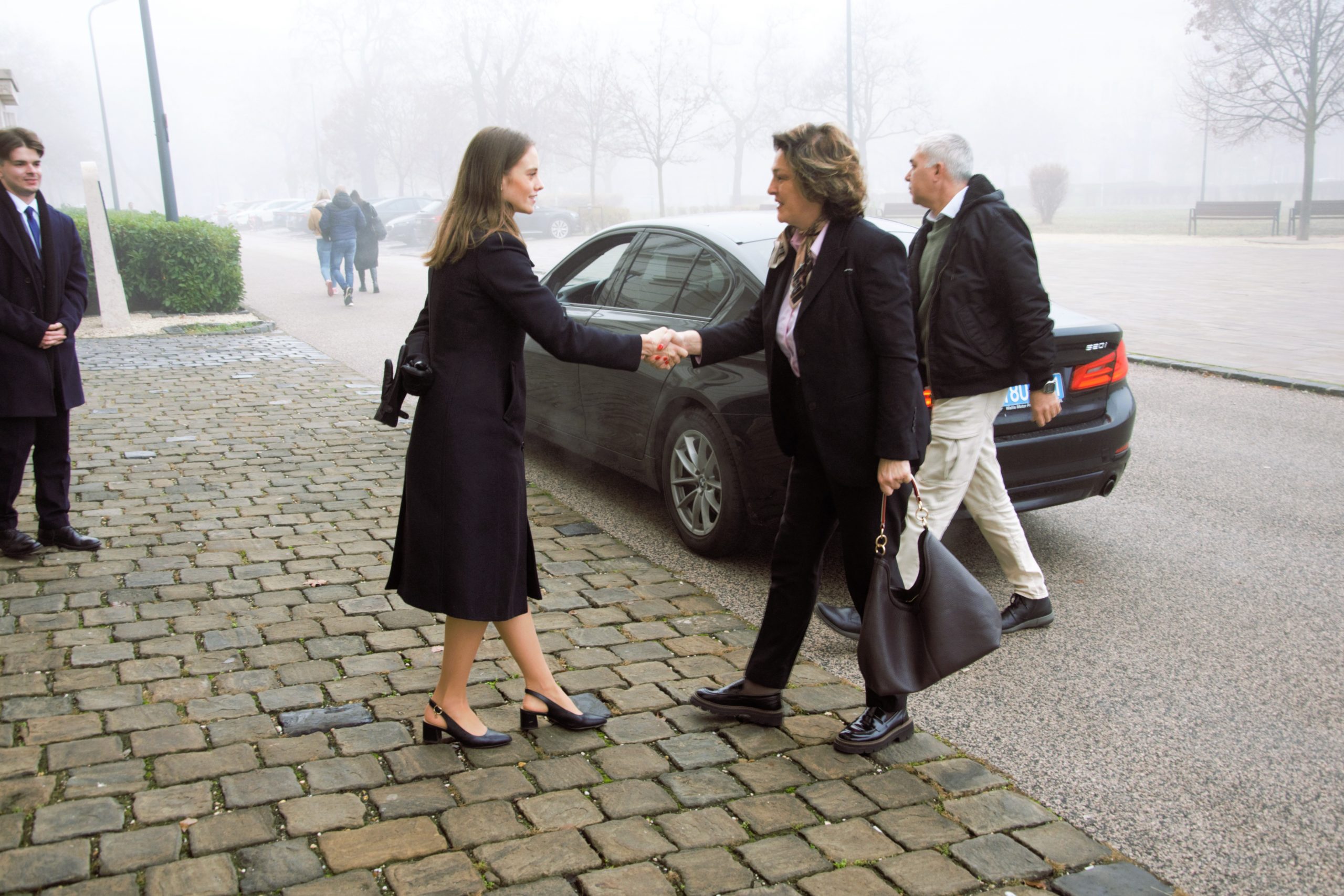
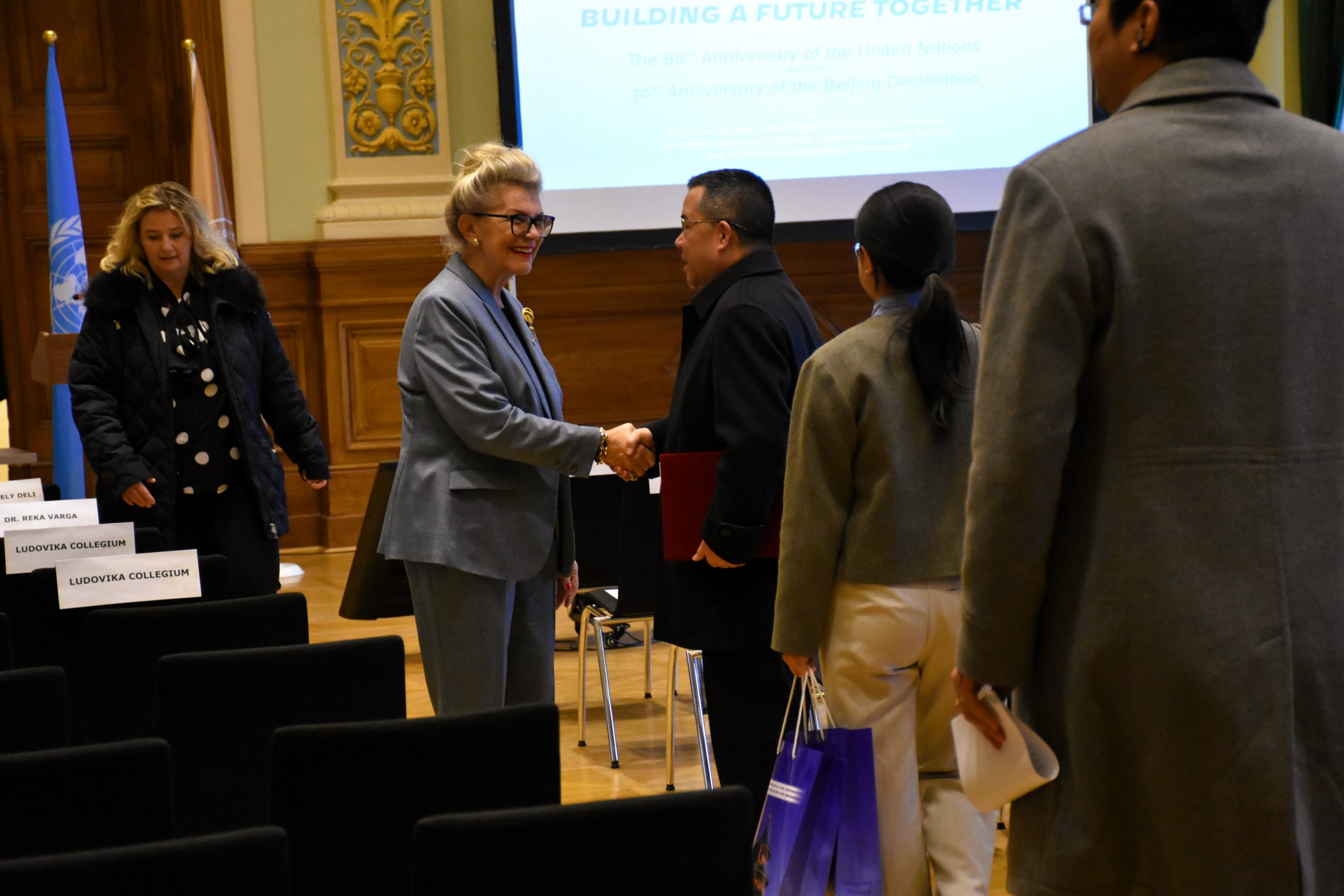
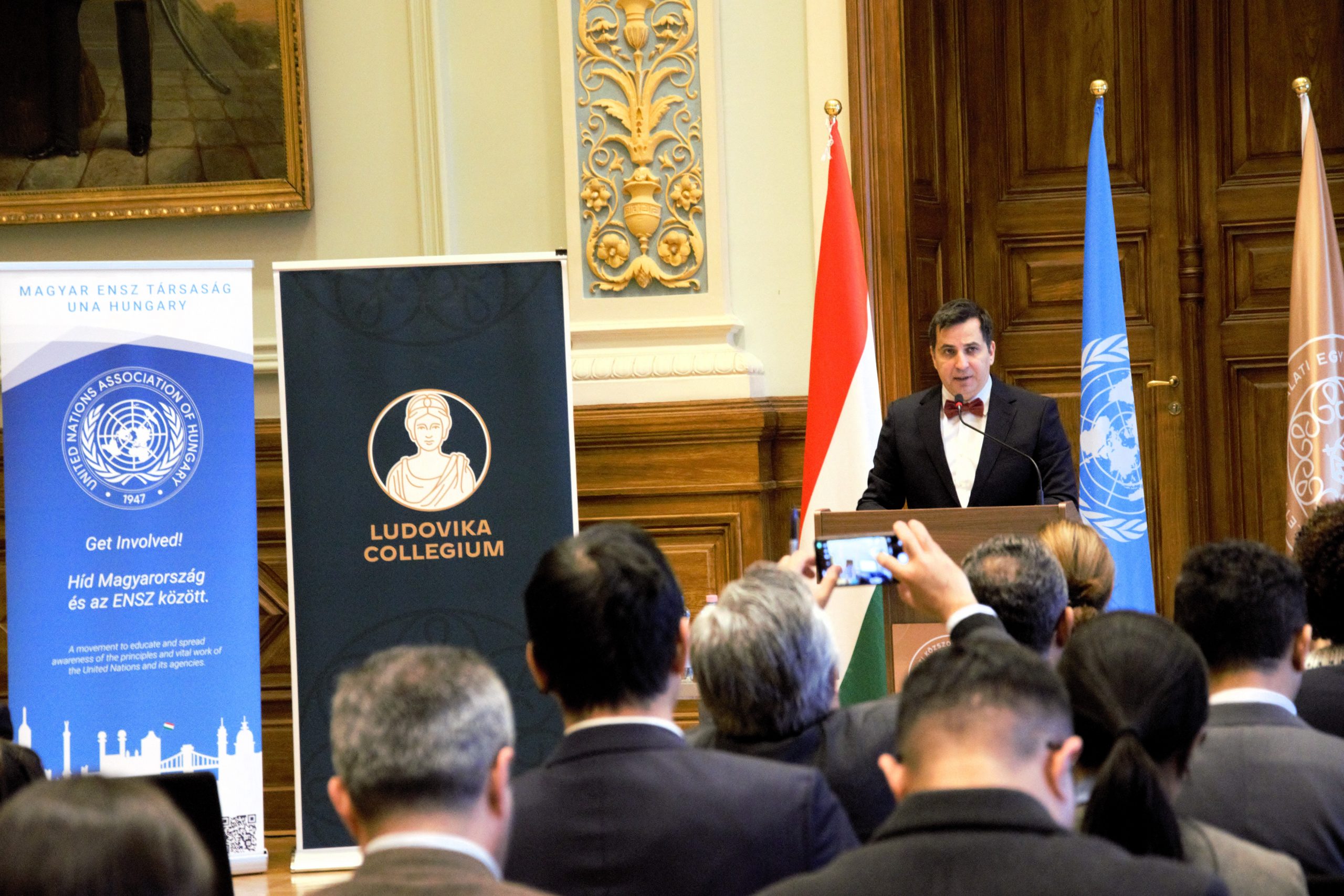
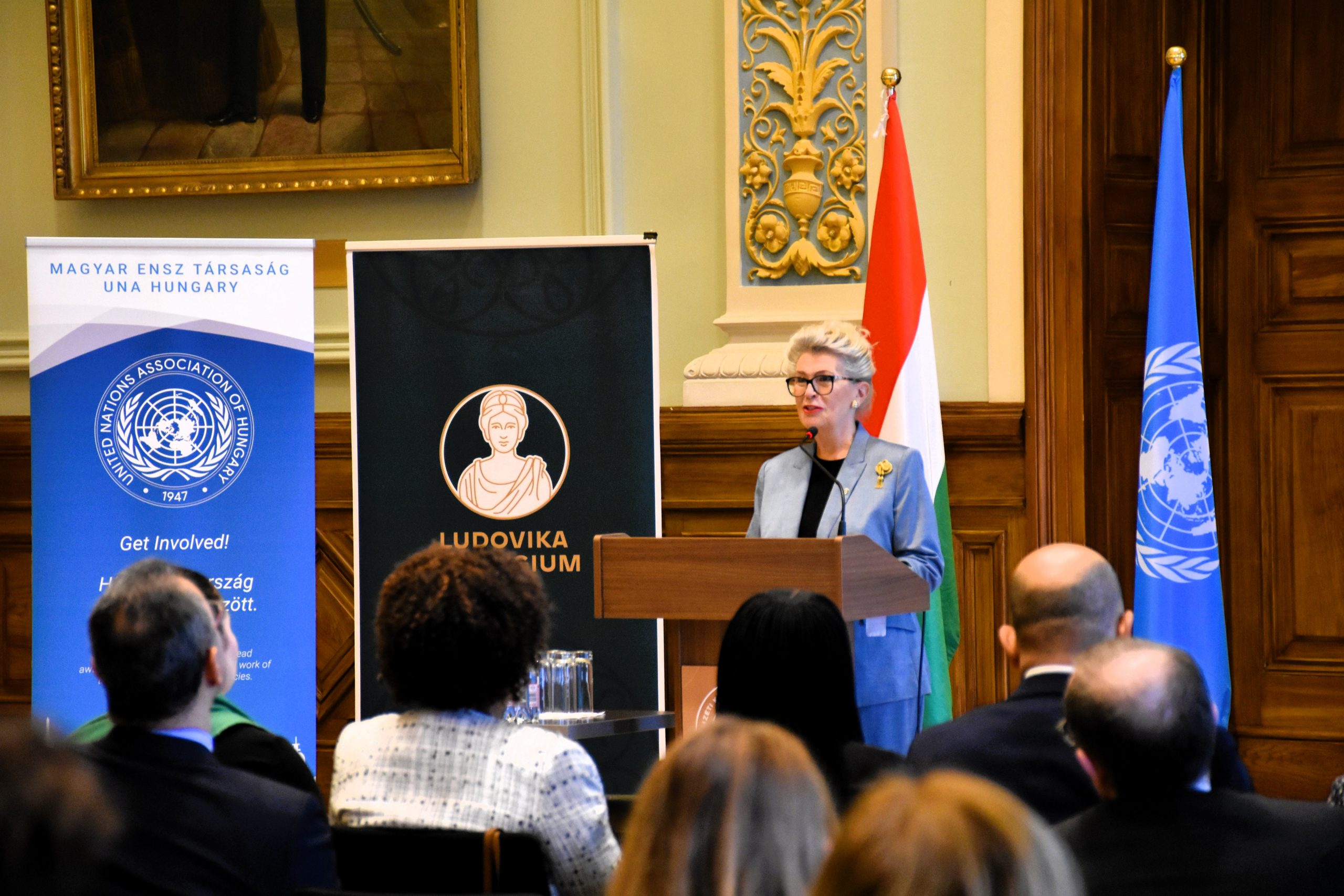
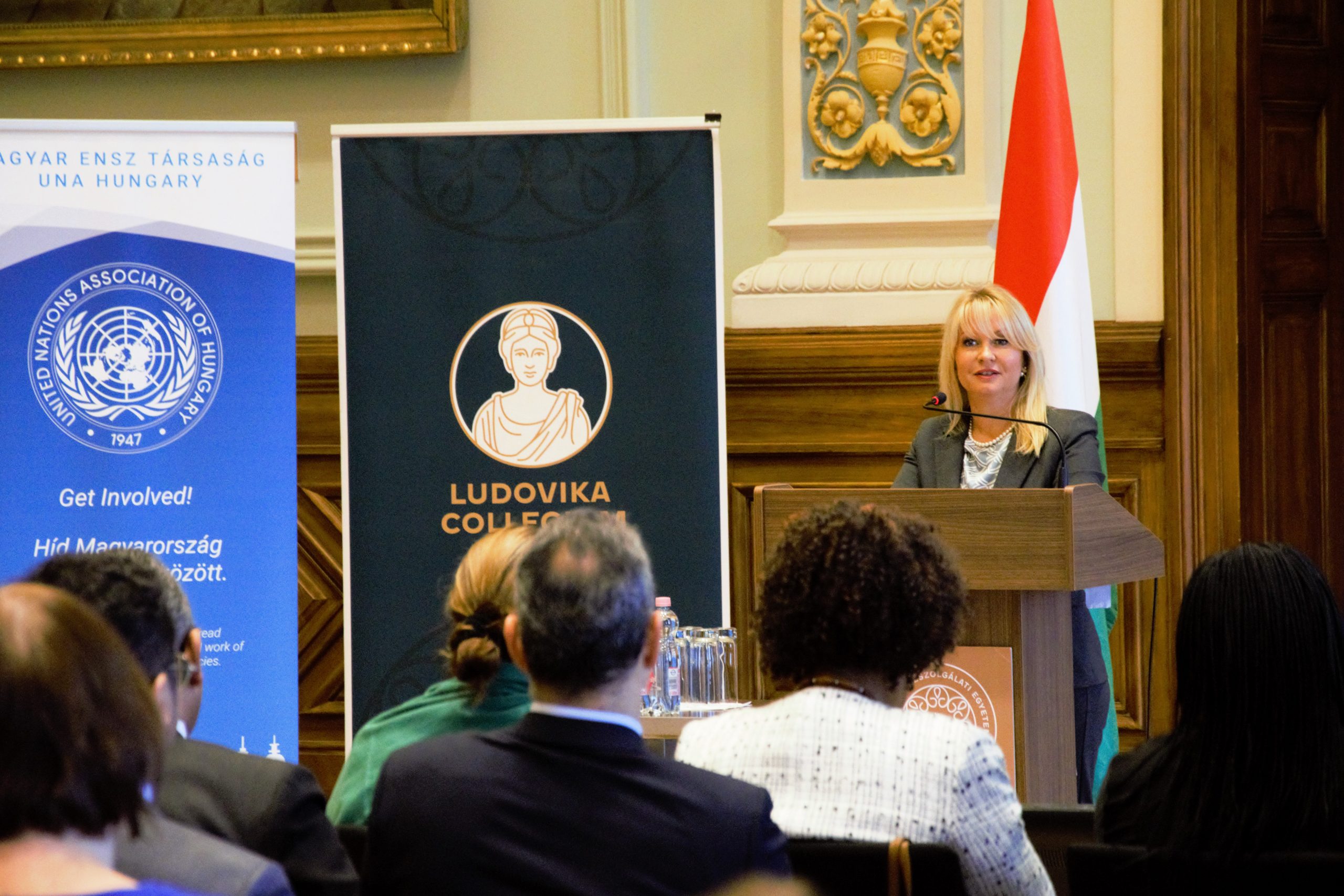
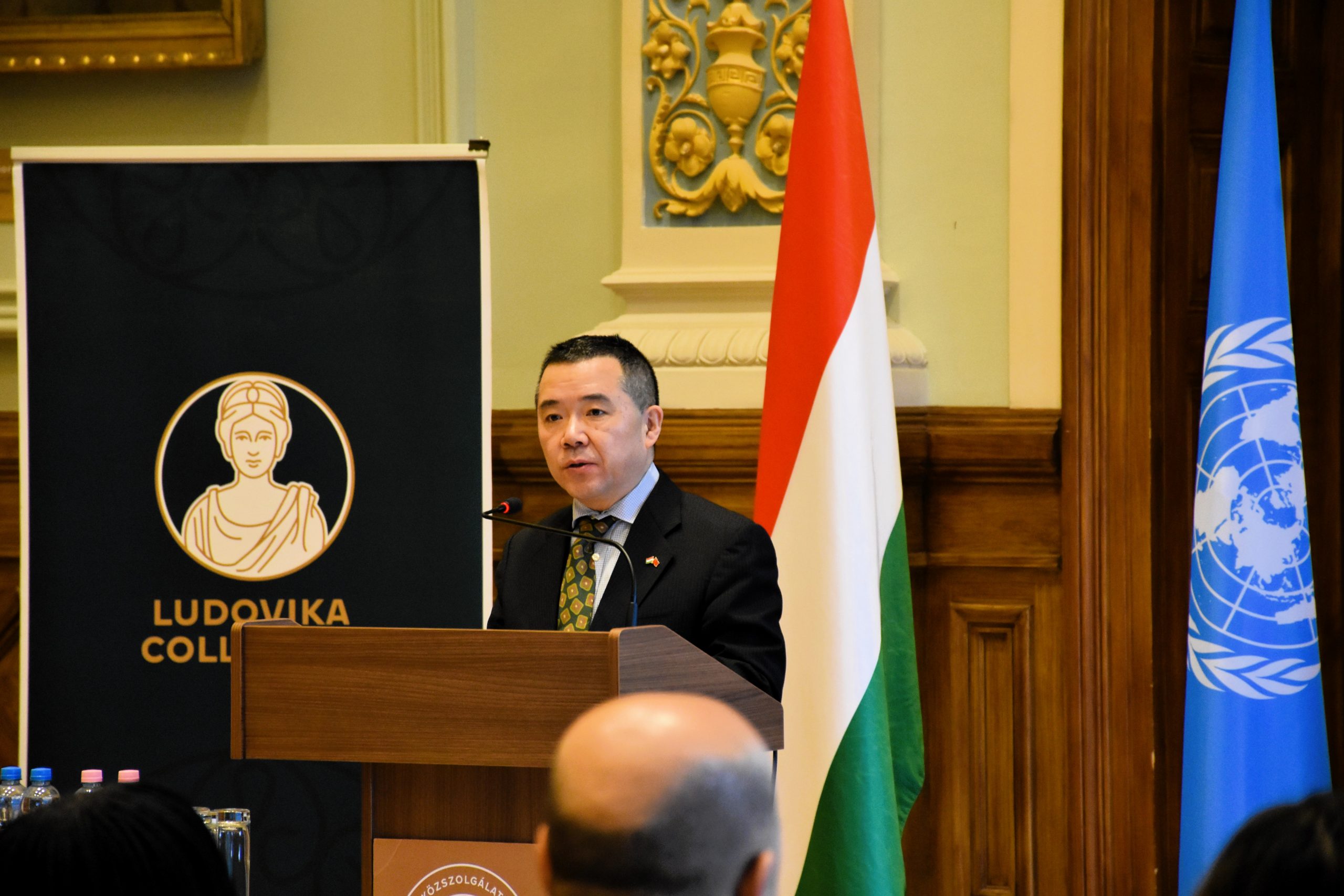
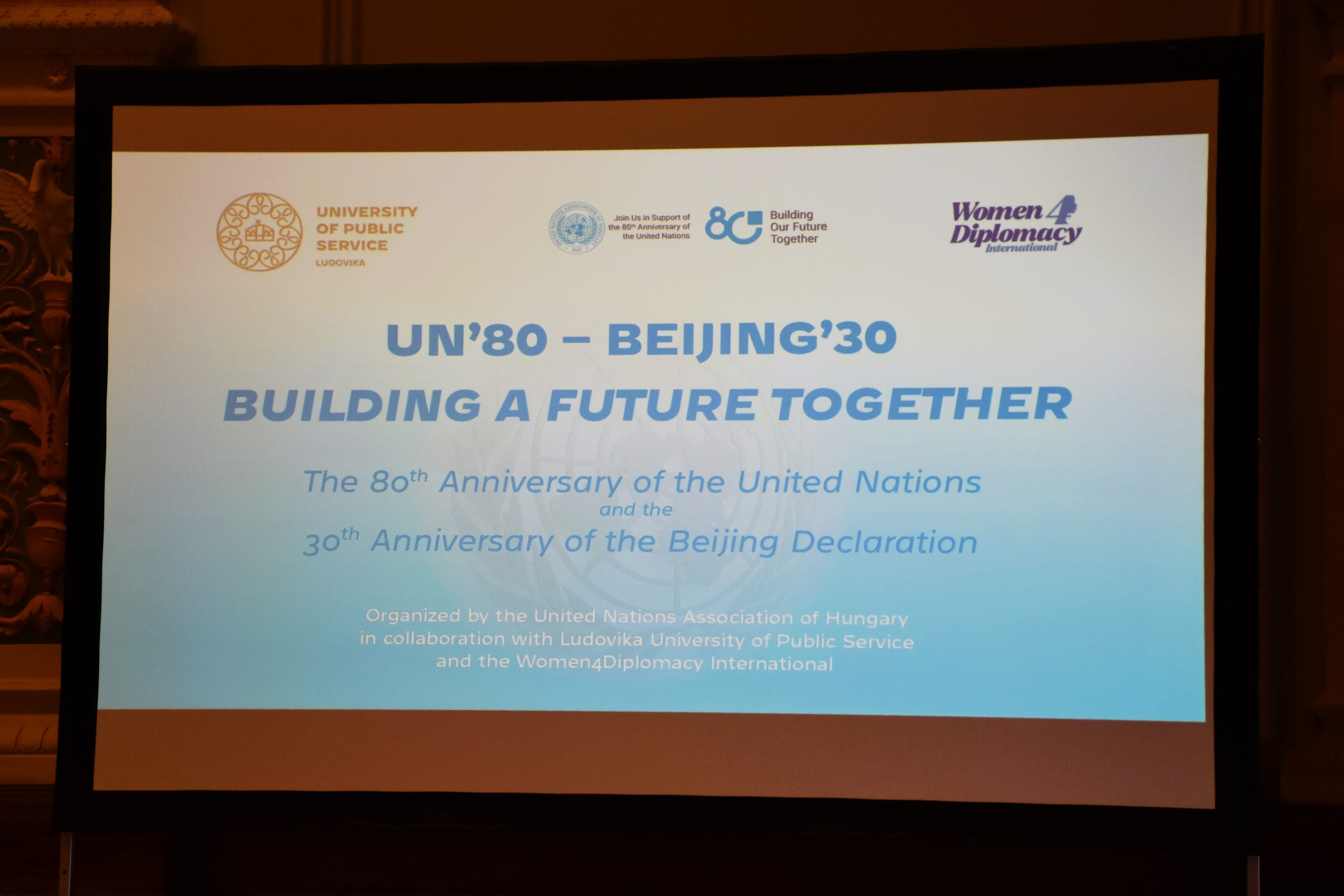
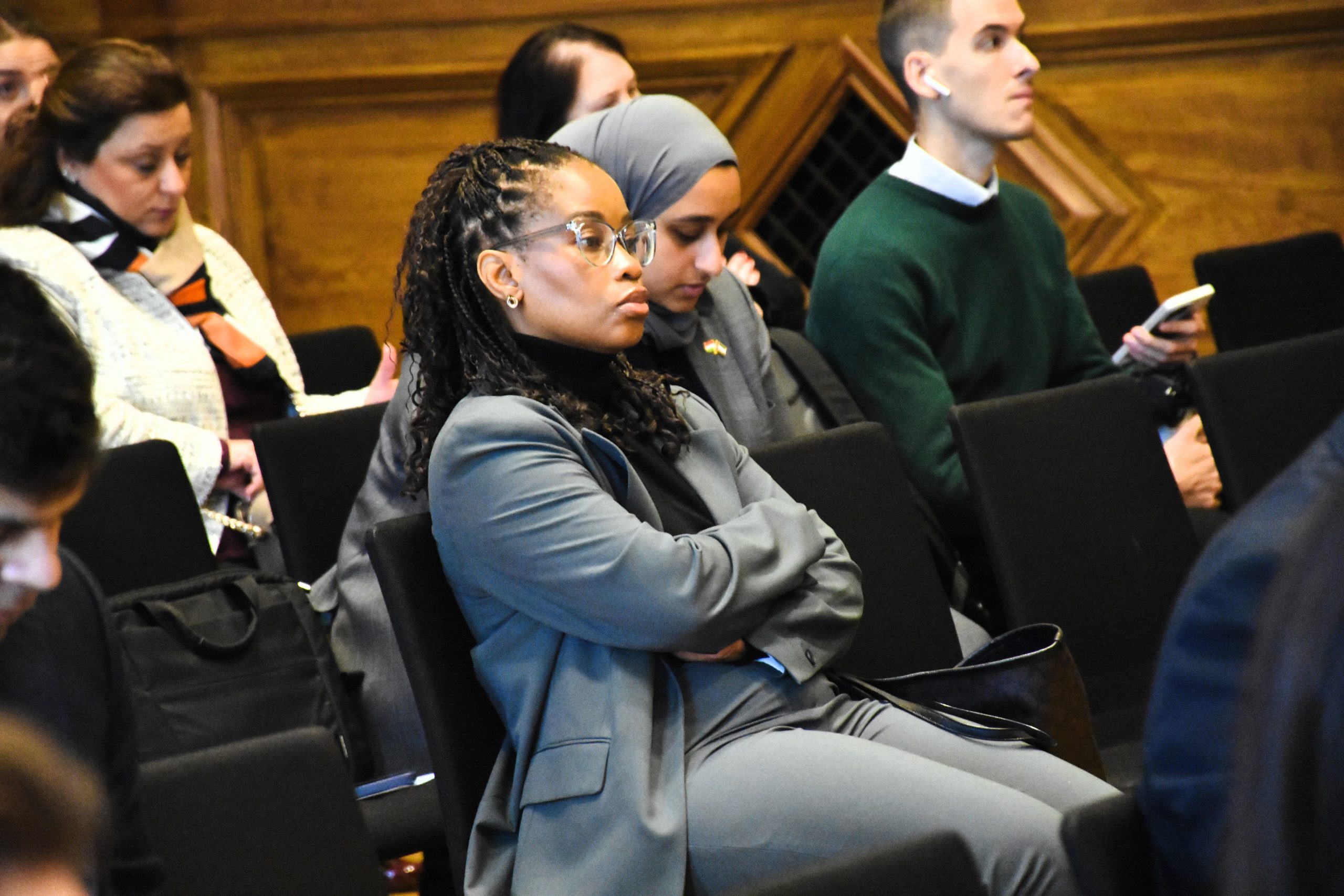
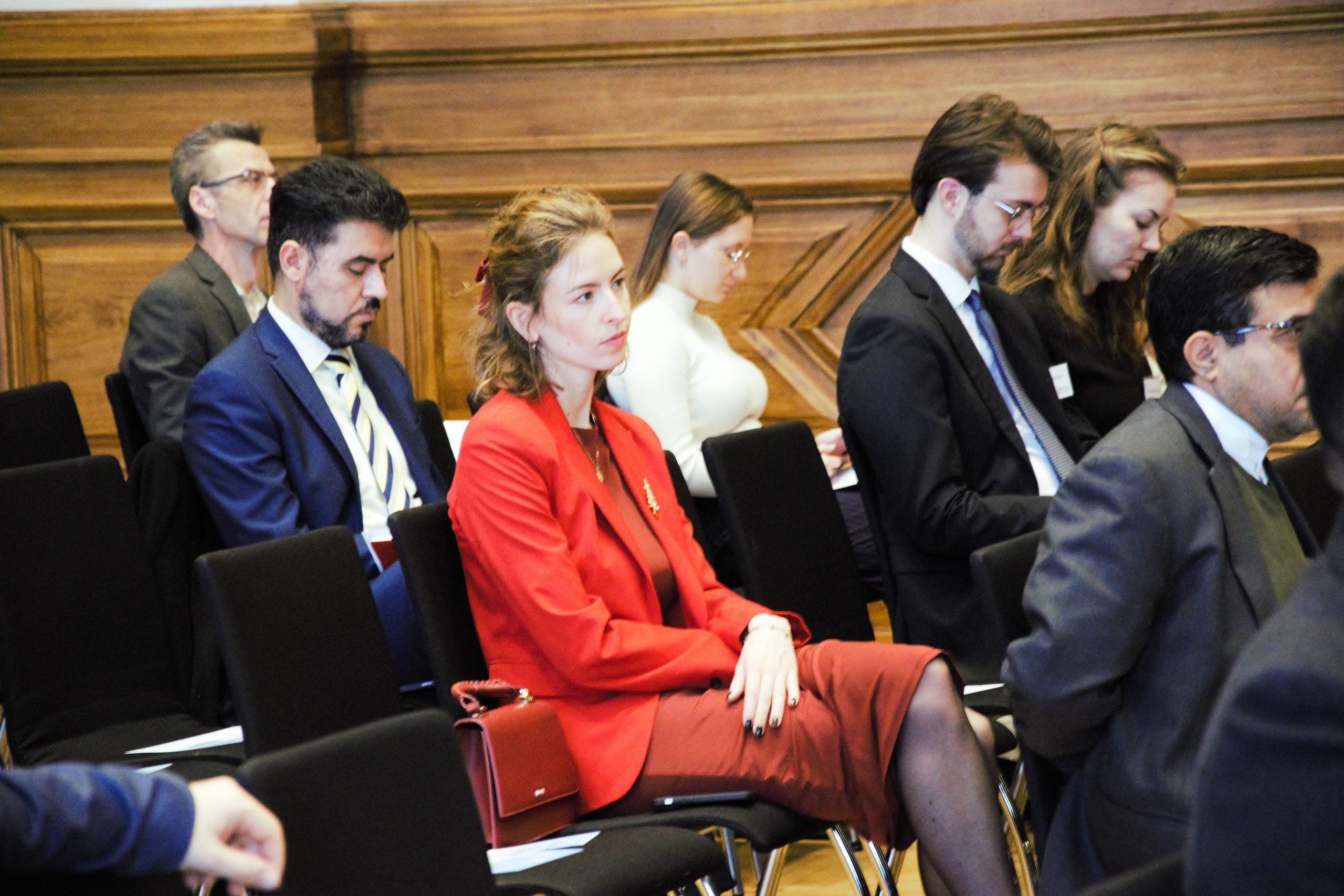
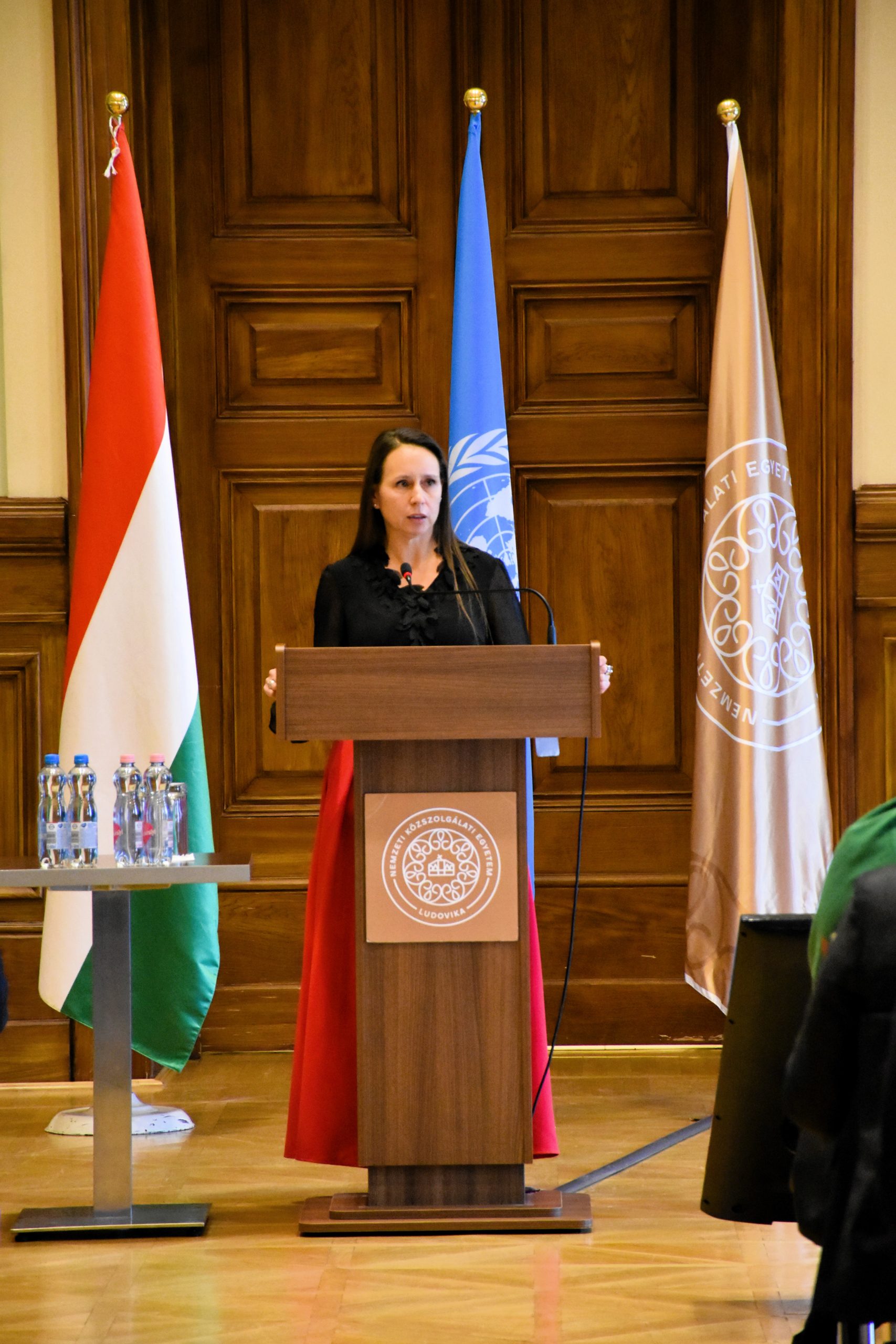
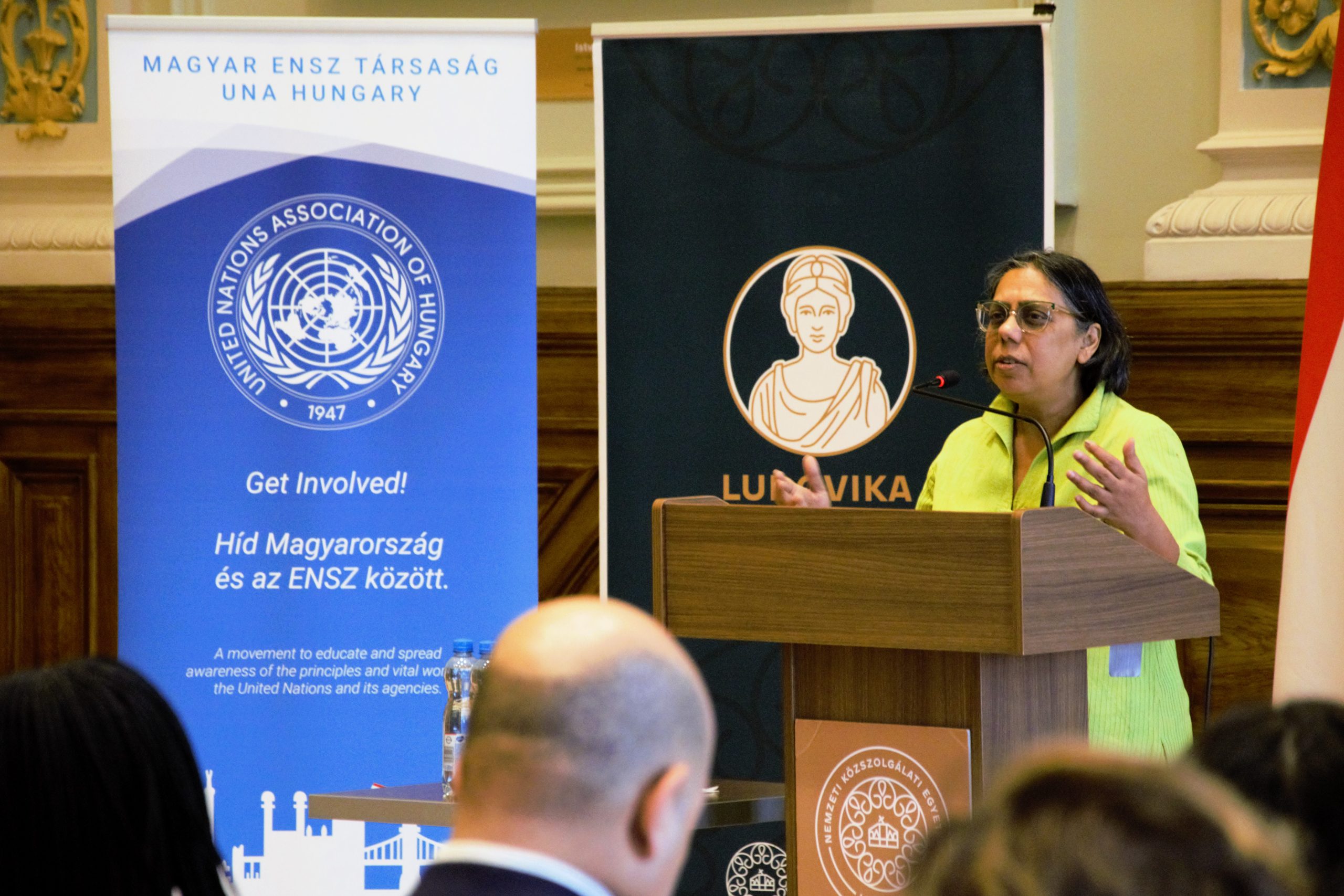
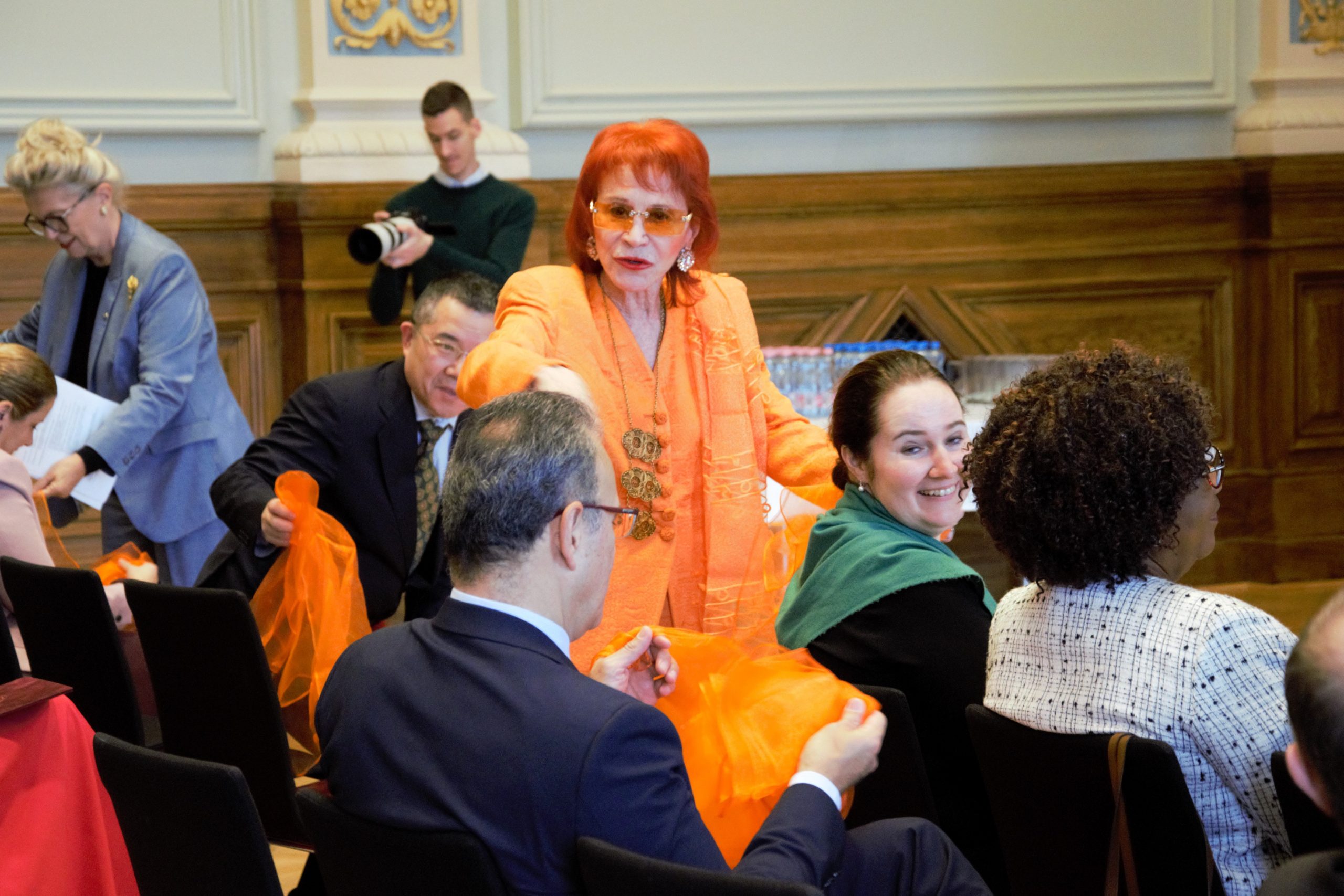
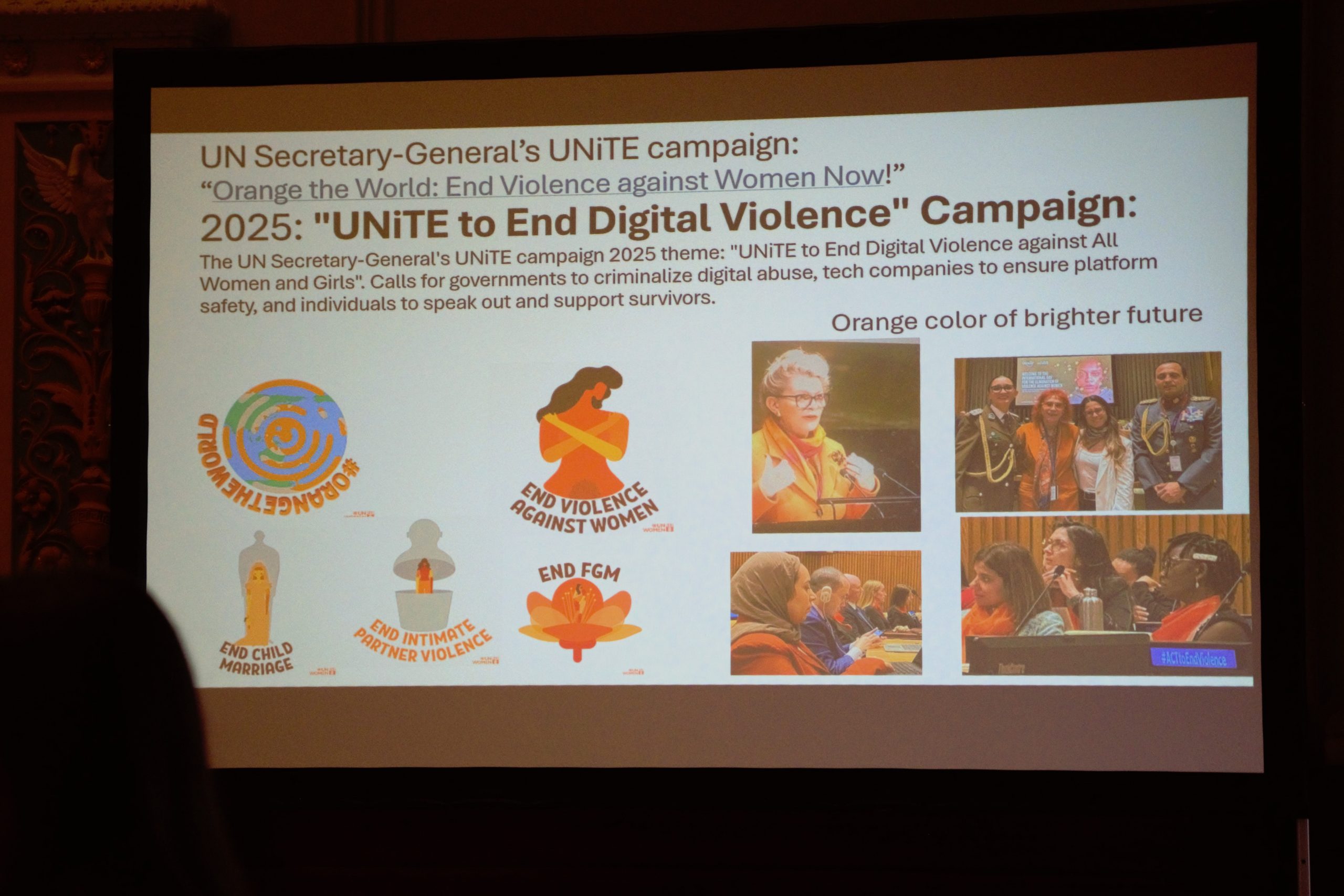
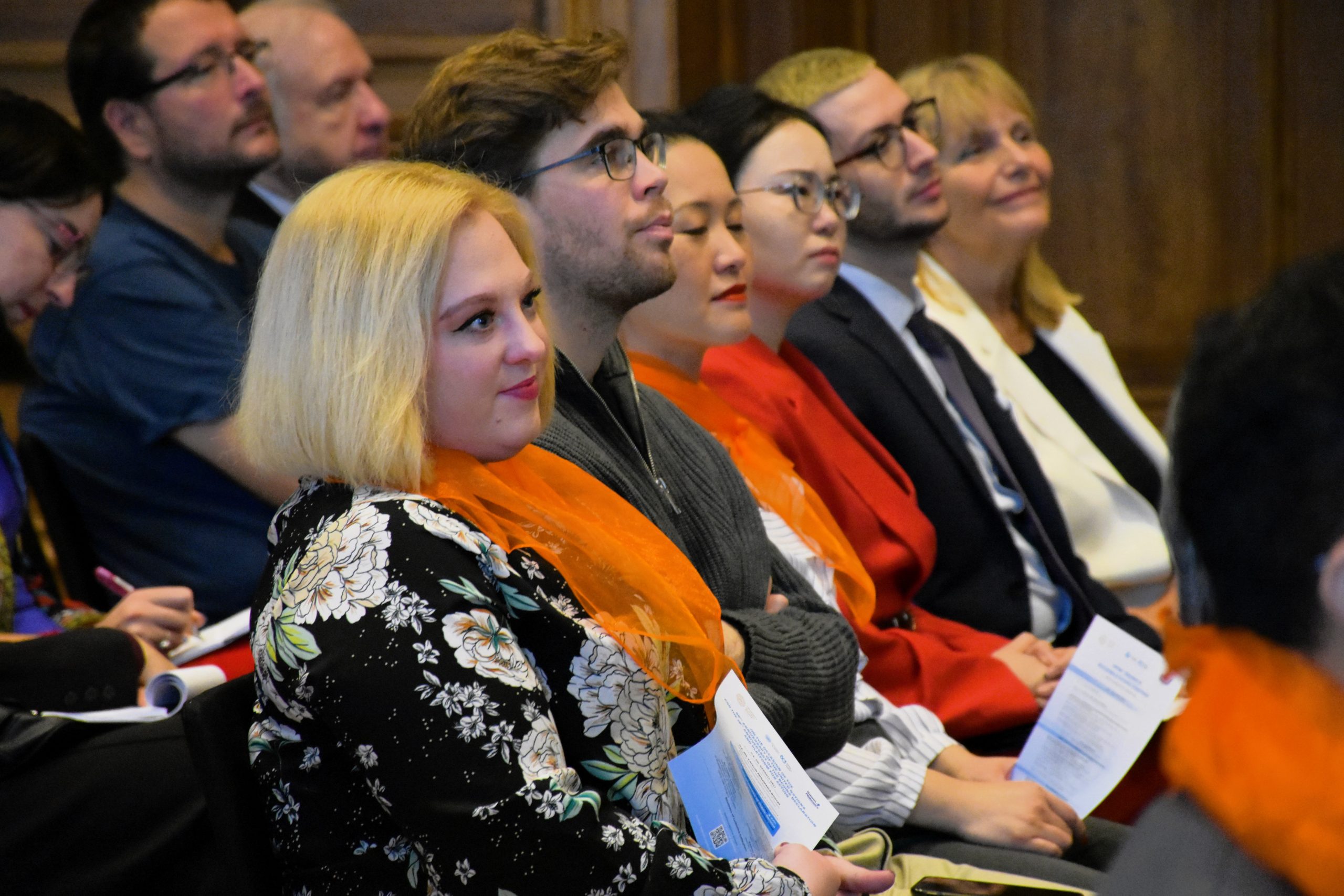
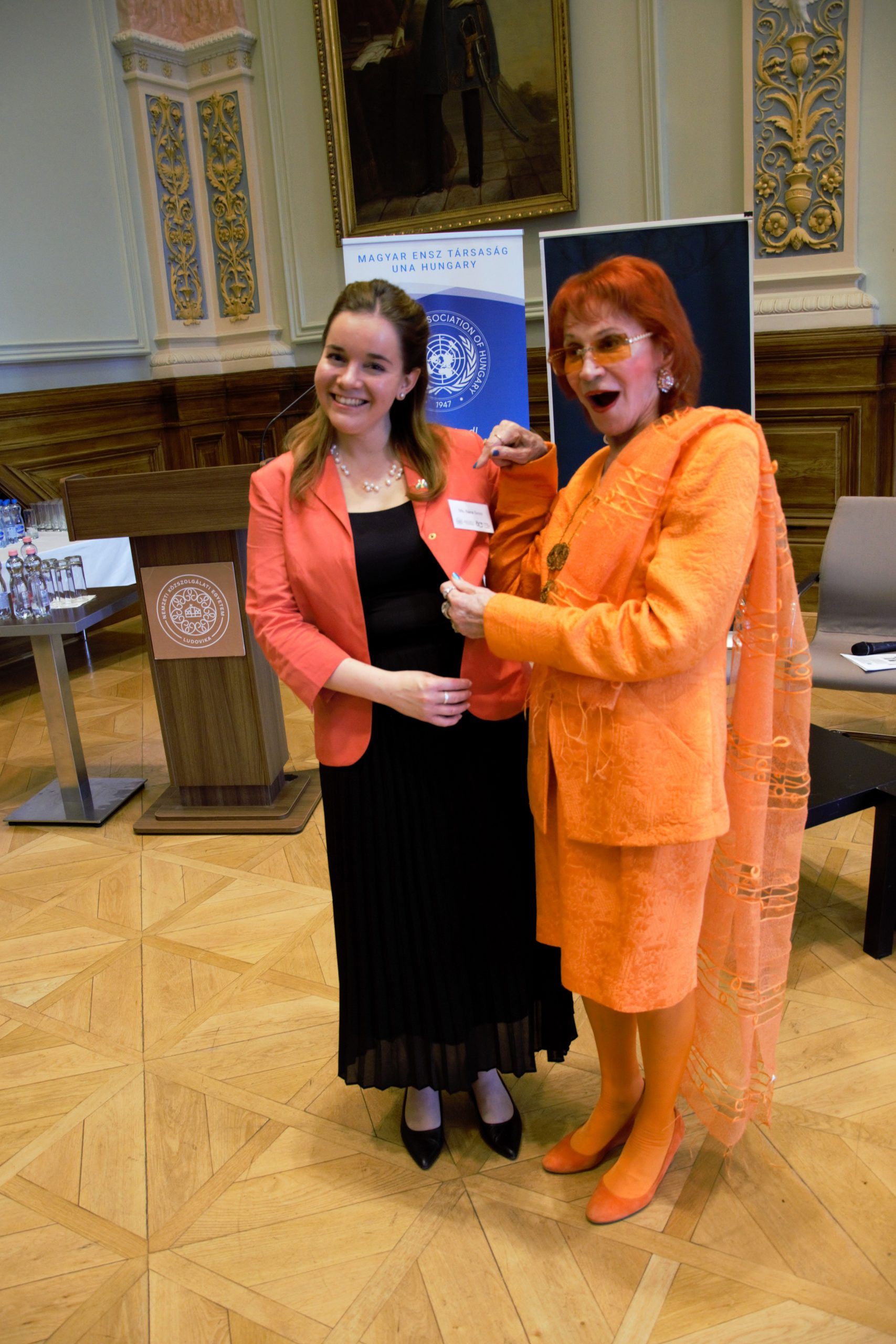
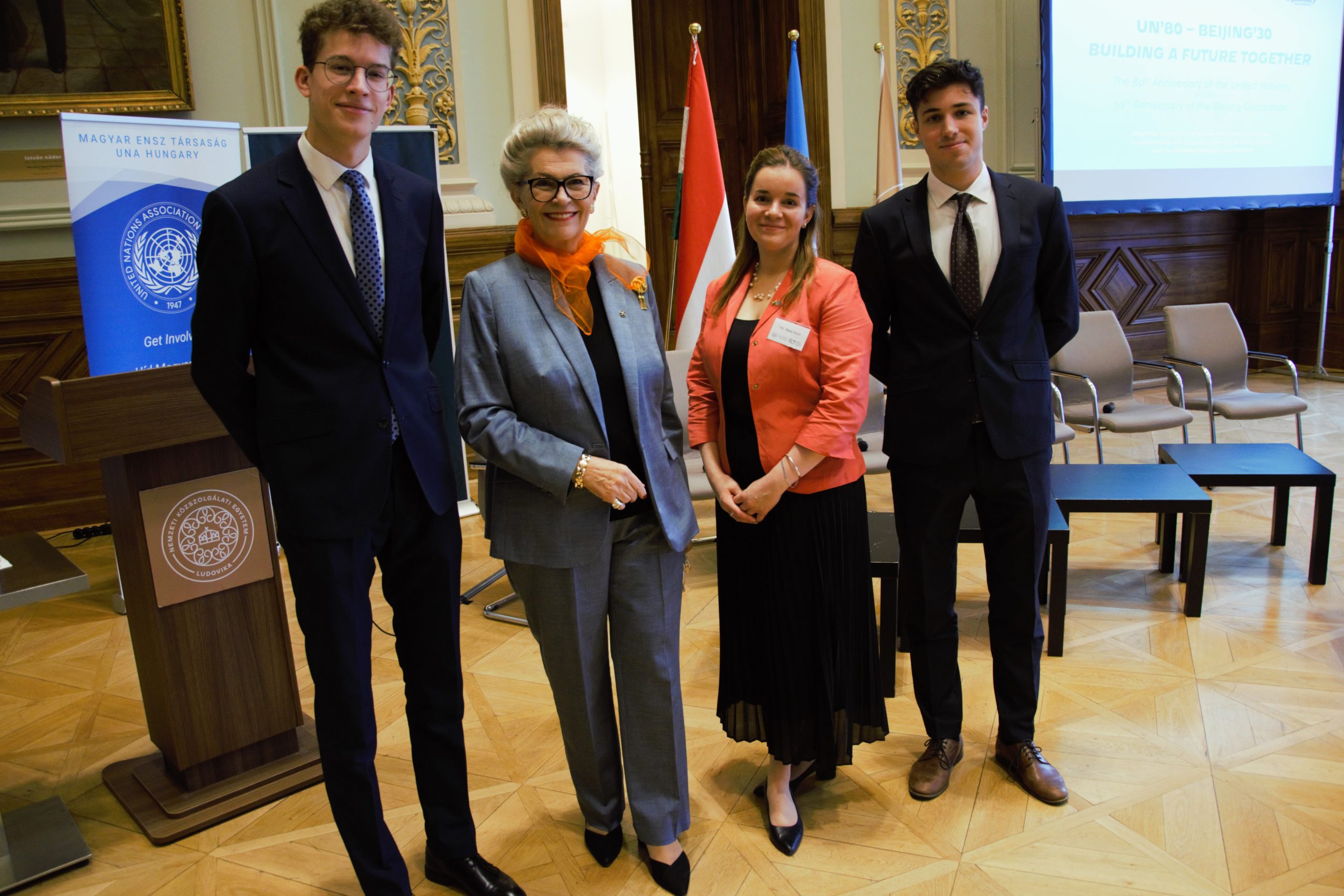
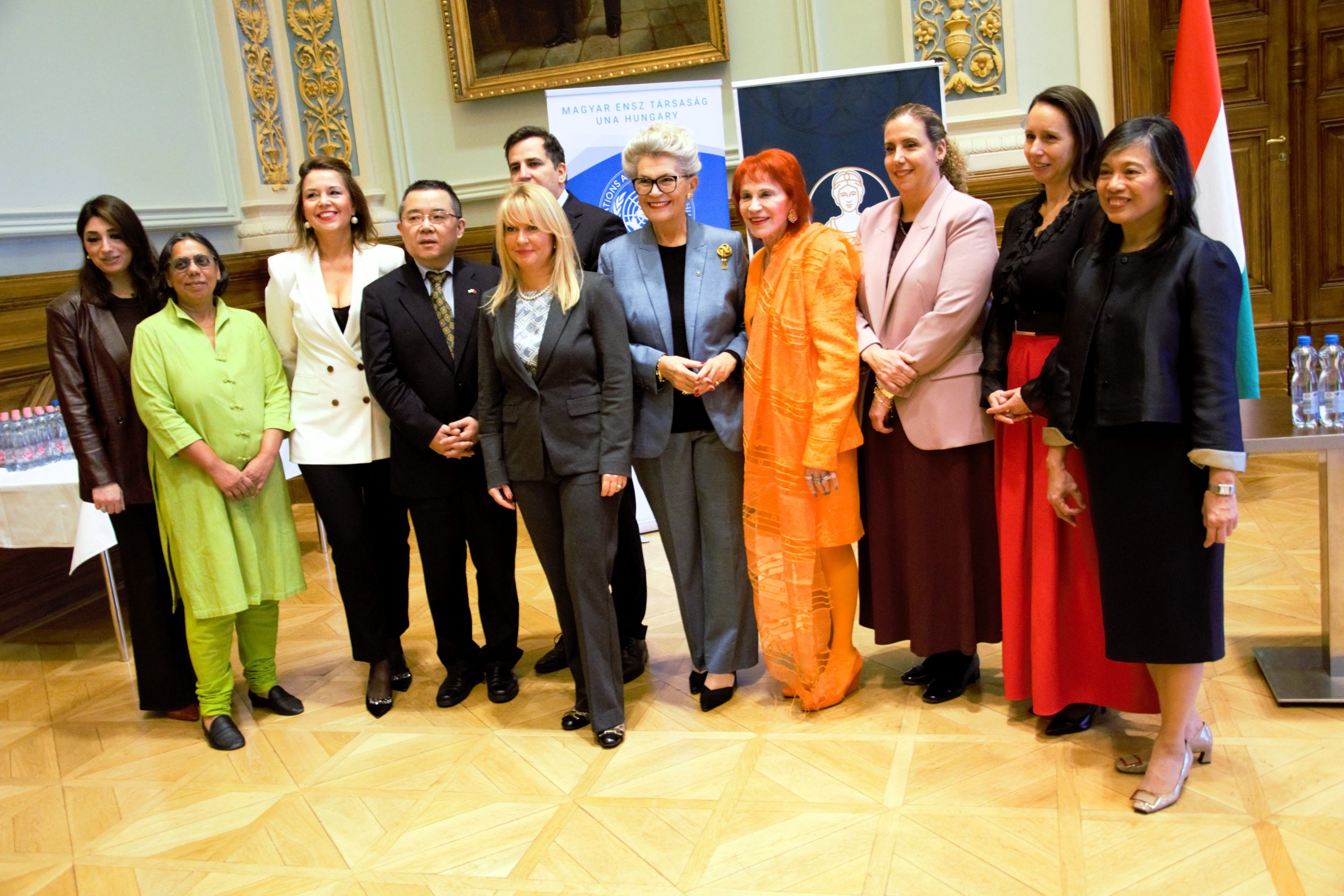
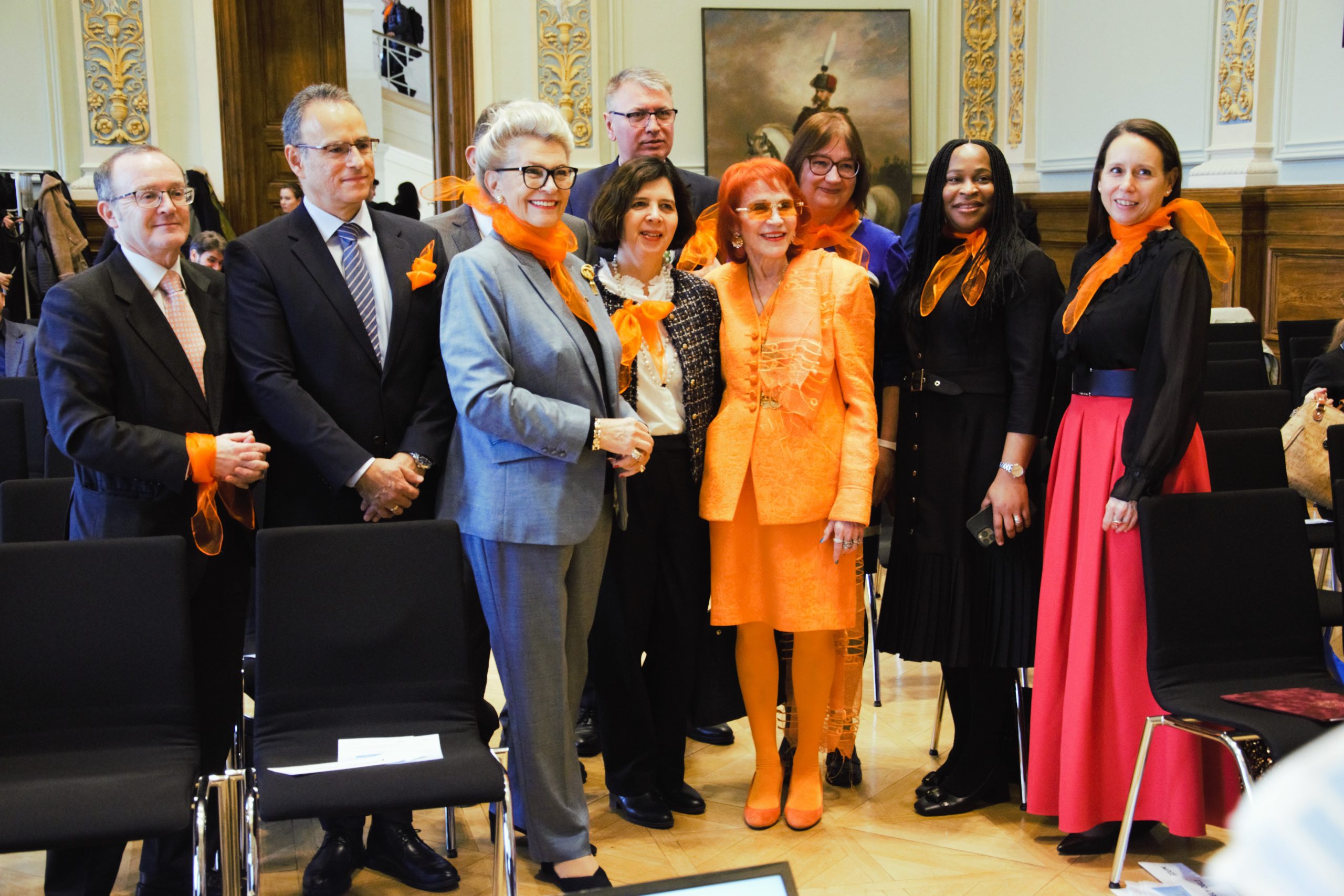
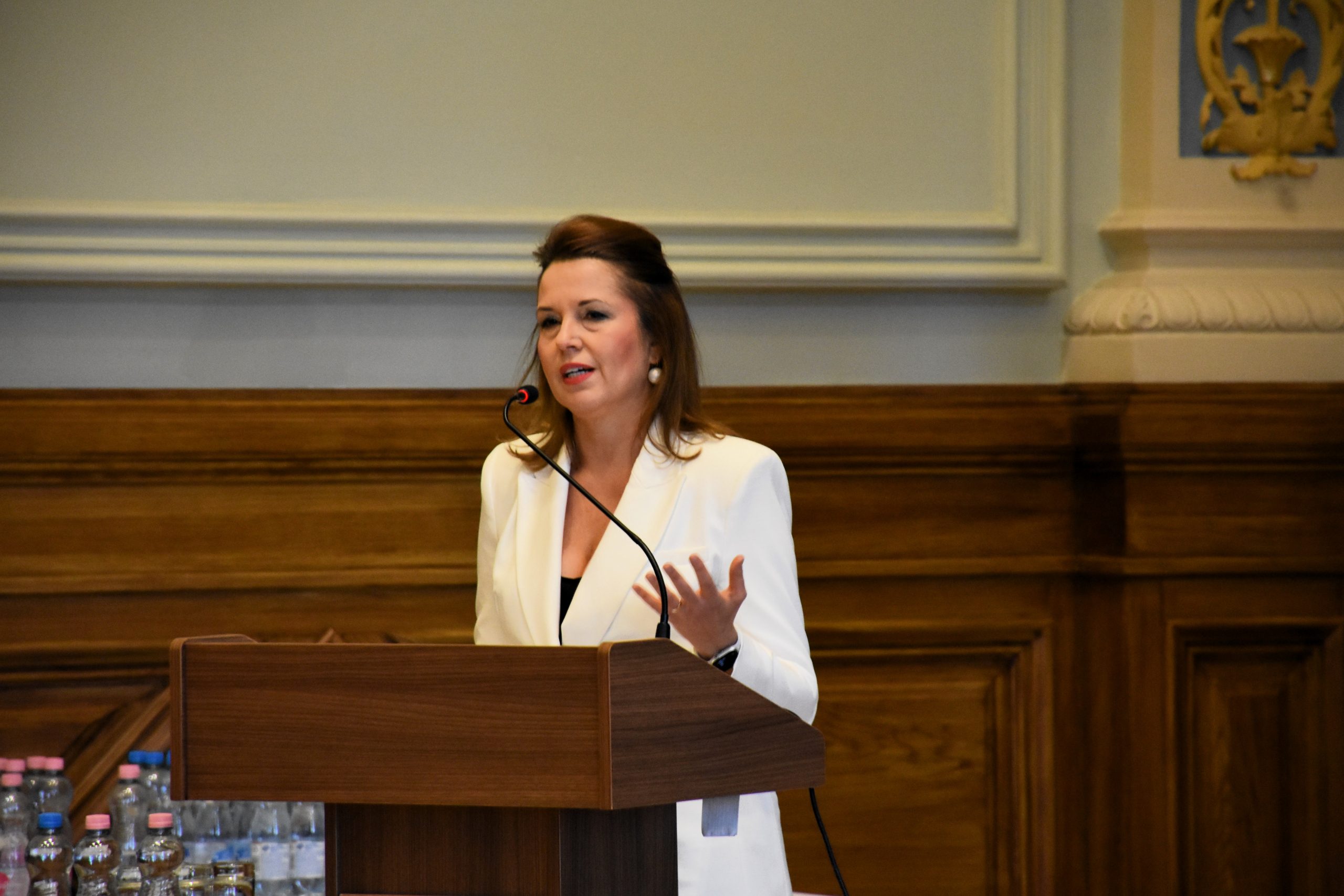
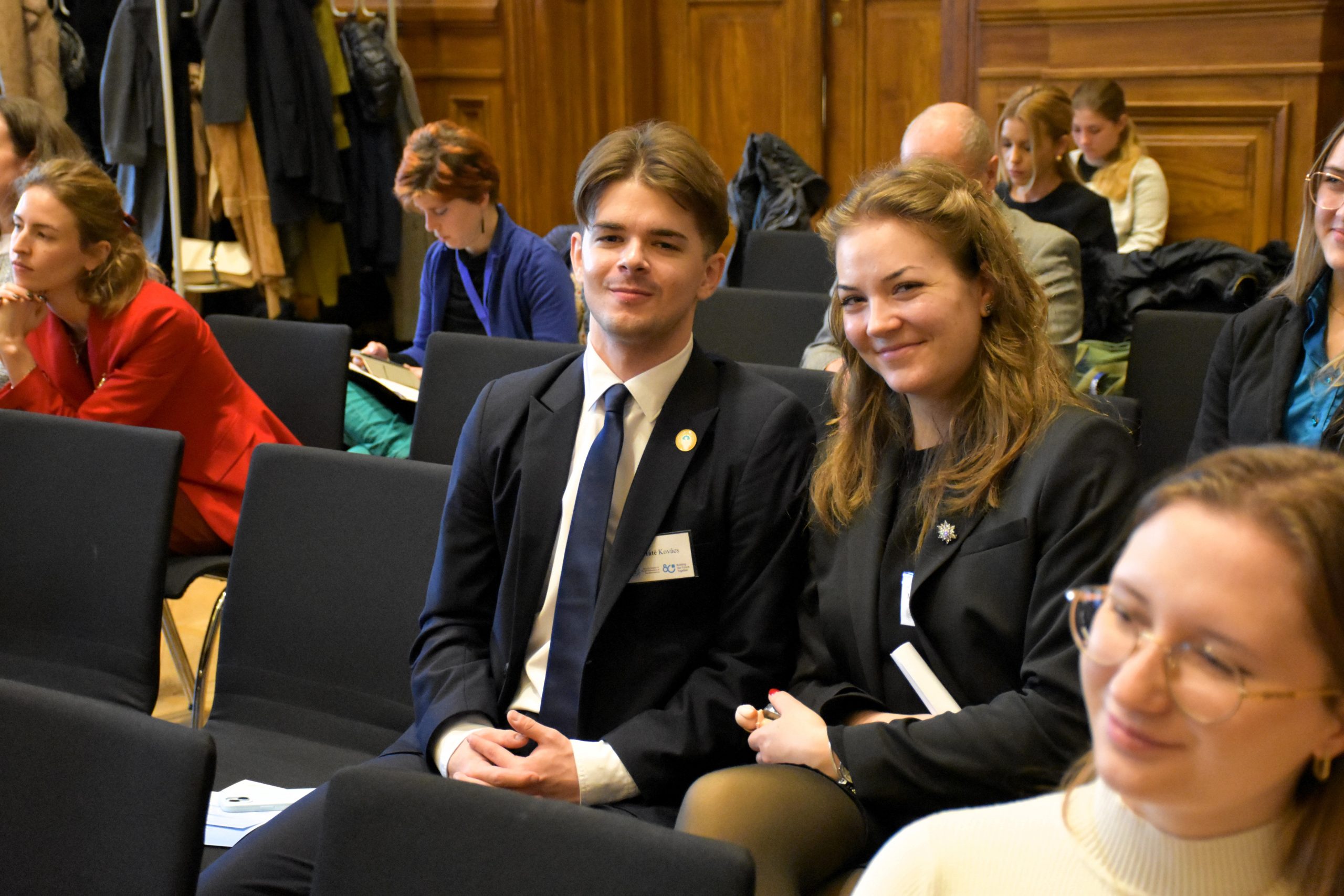
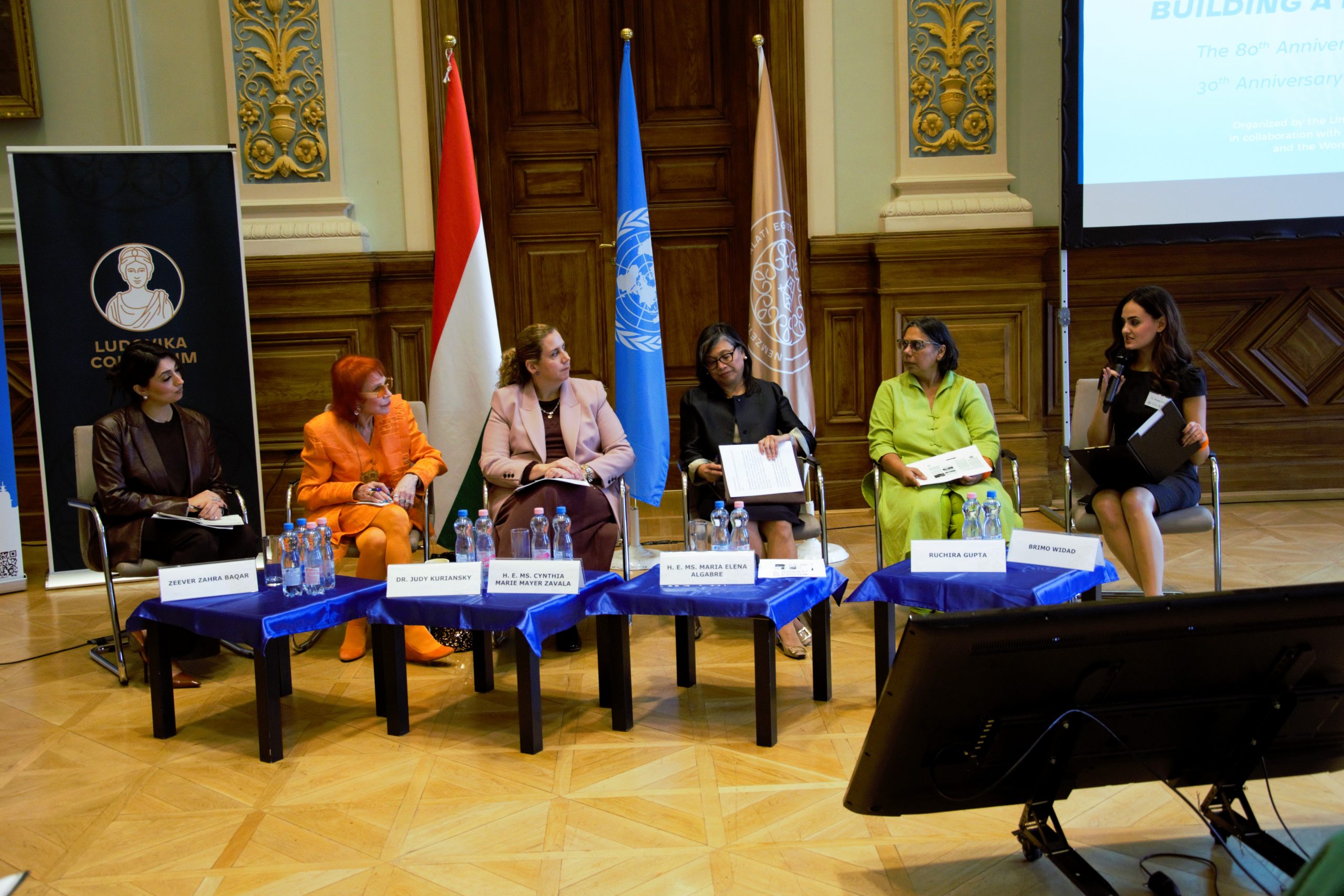
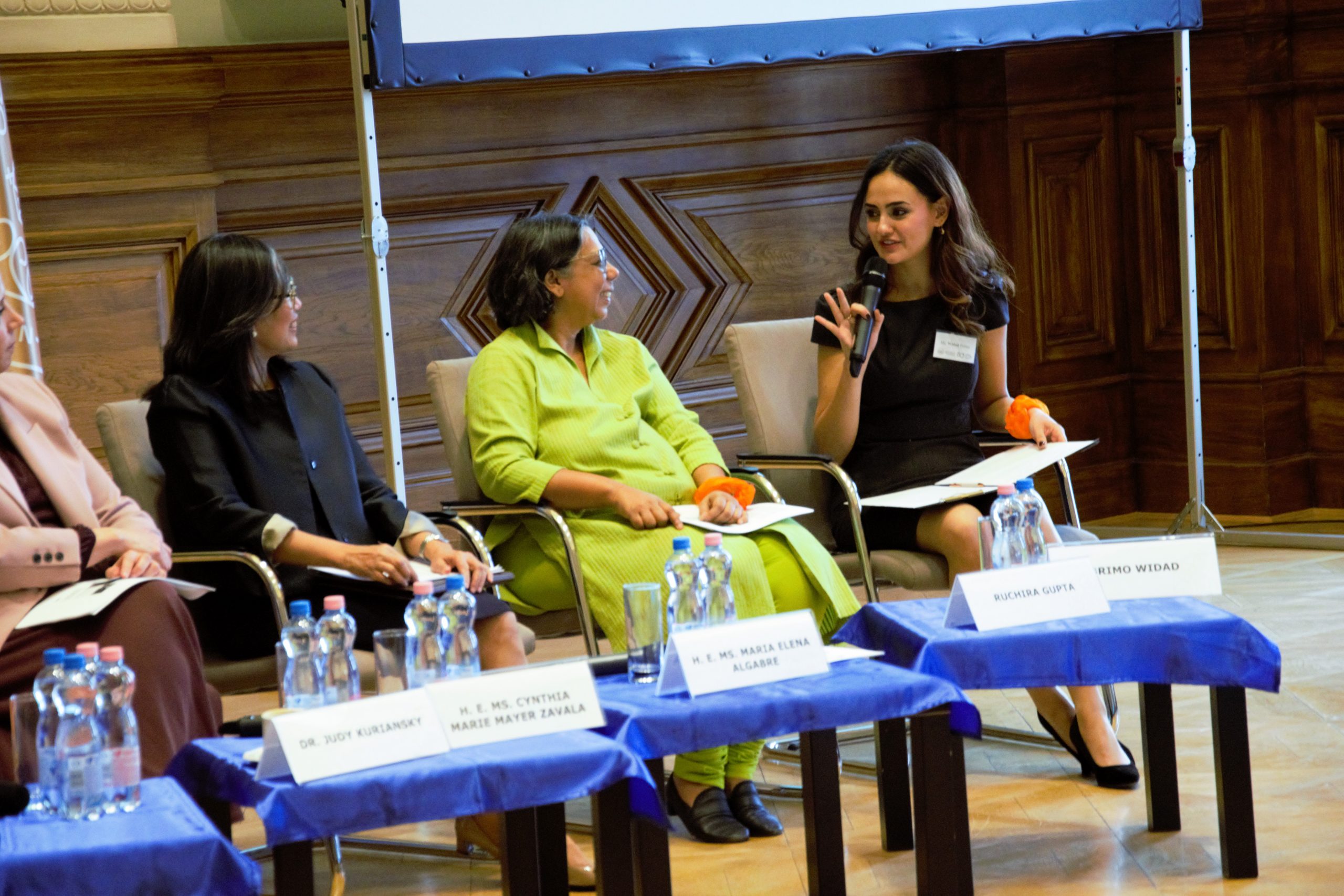
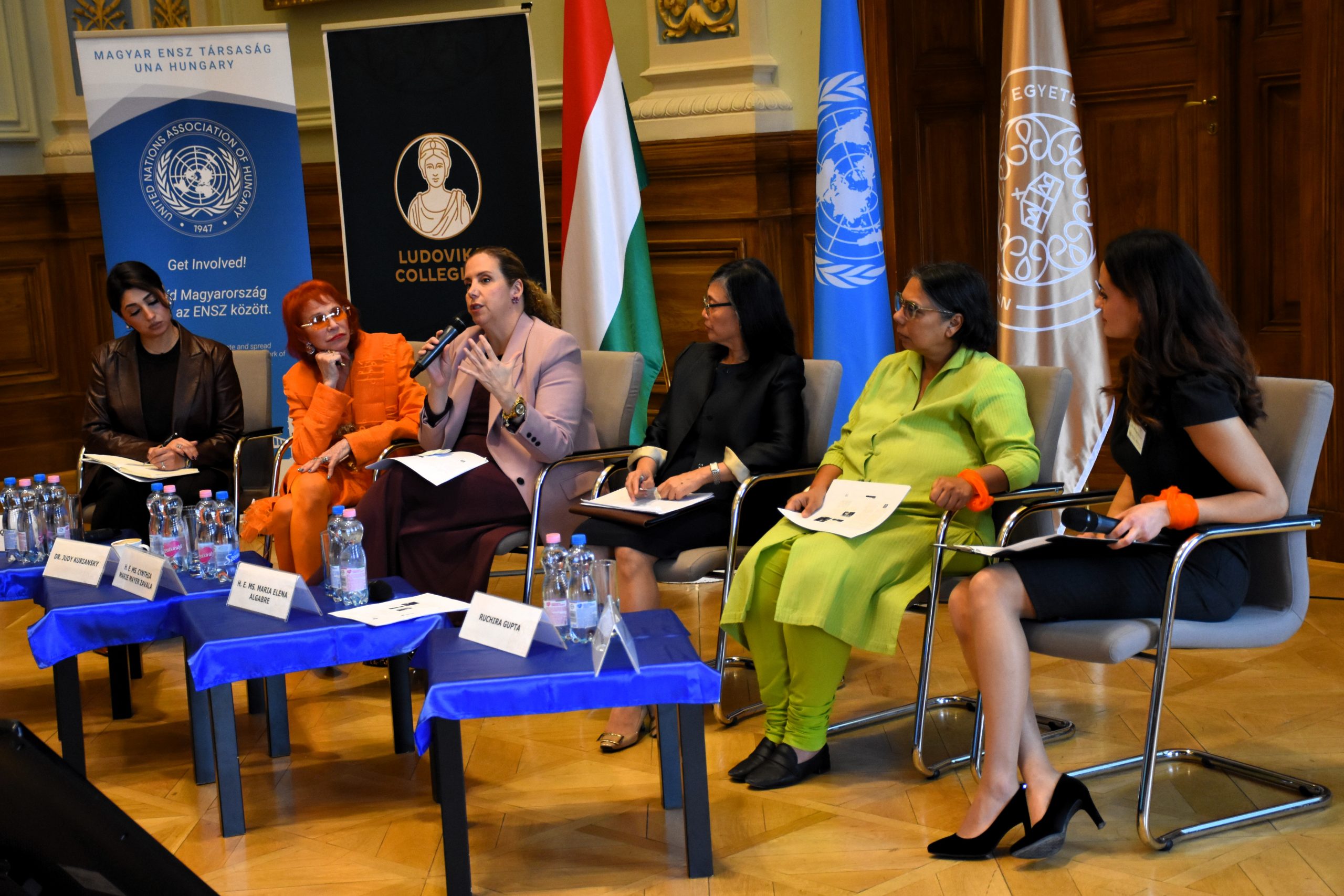
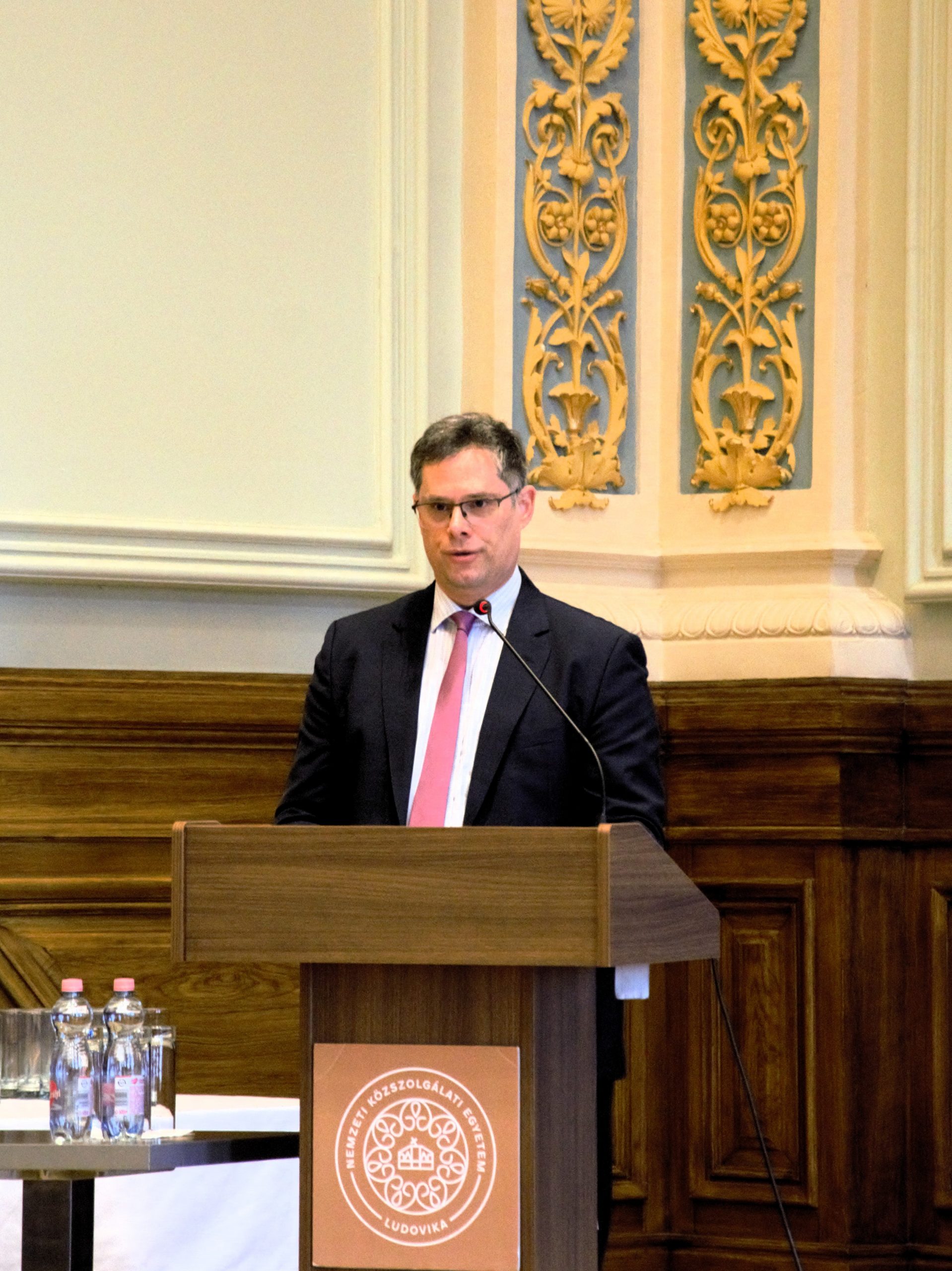
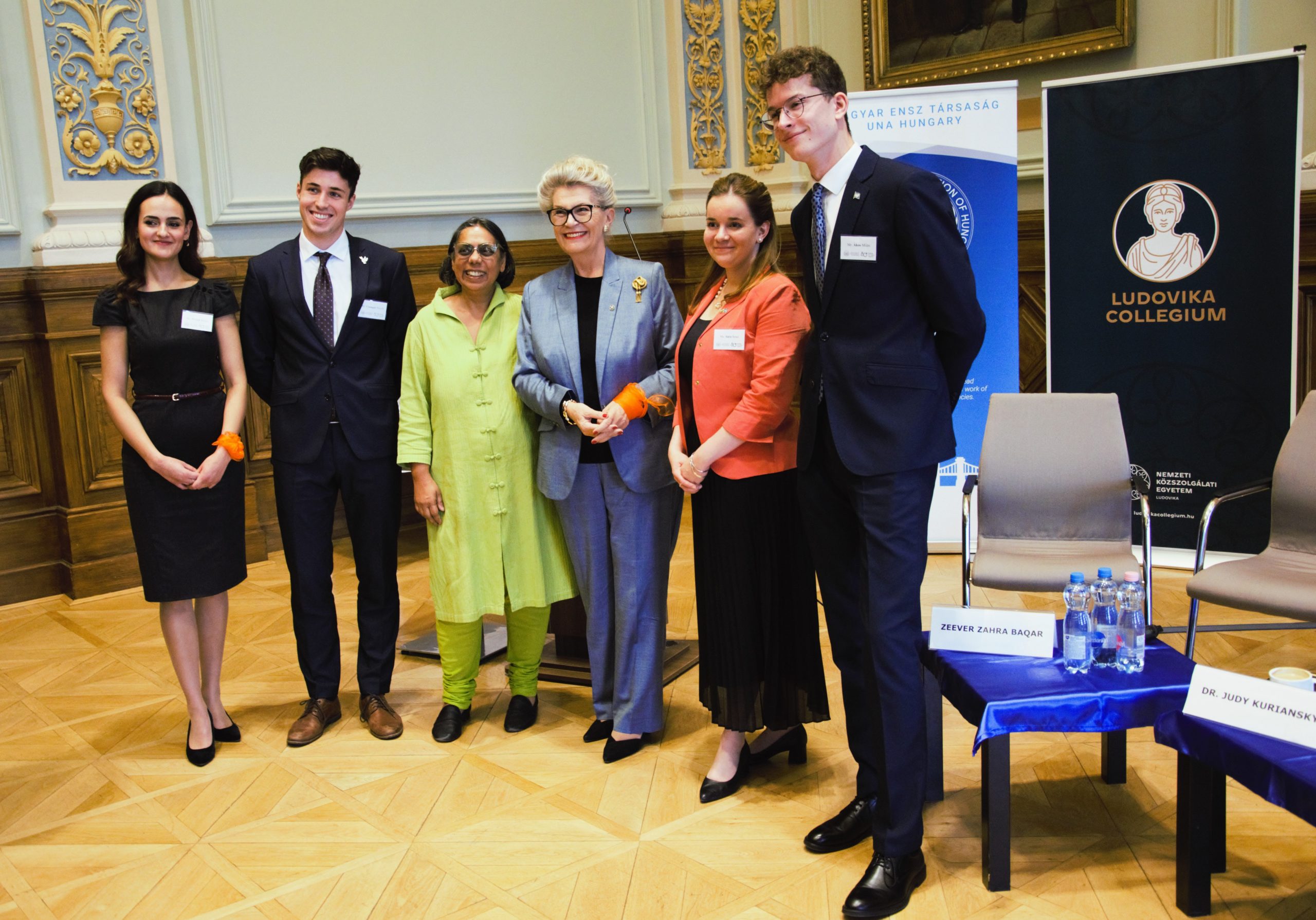
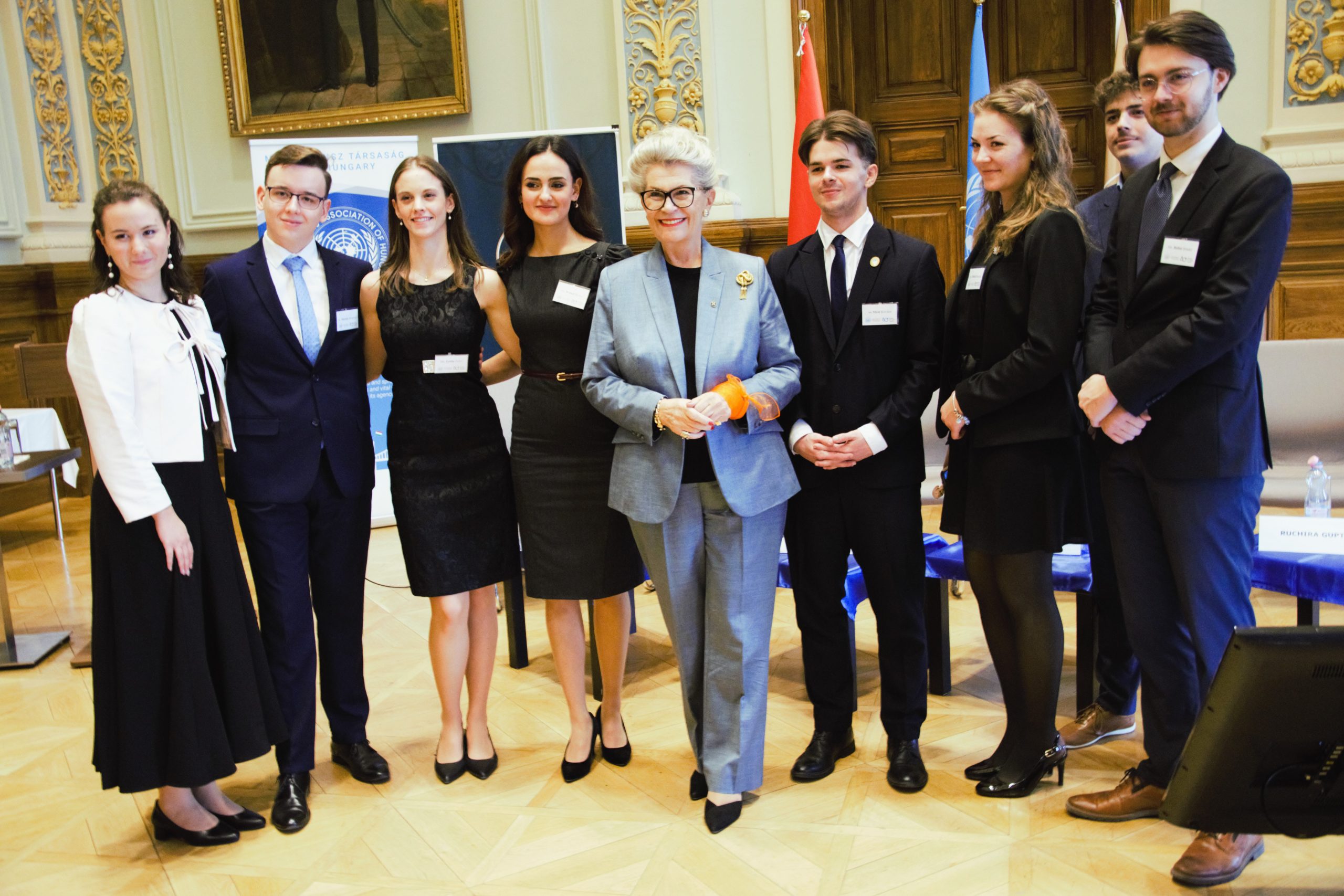
Fotó: Hajnal Dominik
Szöveges beszámoló az eseményről: Sarnyai Tibor, NKE honlap